Hey there, if you’ve ever dealt with a neighbor’s blaring TV at 2 a.m. or the echo bouncing off your apartment walls when you try to work from home, you know how frustrating bad sound can be. As a sound insulation materials supplier, I get so many questions from homeowners, contractors, and apartment managers asking, “What actually makes a wall soundproof, anyway?” It’s not just slapping some random pink stuff between studs—there’s actual science behind these materials, and not all insulation is created equal. Let’s break down the real characteristics that matter, no boring textbook jargon, I promise. Sound Insulation Materials
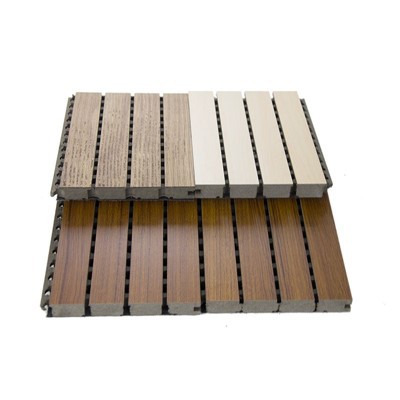
First off, let’s get something straight: people mix up “sound absorption” and “sound insulation” all the time, and that’s my #1 pet peeve as a supplier. Like, that fluffy pink fiberglass stuff you buy at the hardware store is great for soaking up echo in a living room, but it does almost nothing to stop loud noise from passing through a wall between units. Sound insulation (also called soundproofing) is about blocking noise from traveling, not just quieting the noise that bounces around in a single space. That’s a key point, so let’s lead with that because a lot of folks don’t know the difference.
So, what should you actually look for in a wall sound insulation material? Let’s start with the big one: mass, stiffness, and damping. Wait, I know that sounds like a science class term, but I’ll keep it simple. Mass is basically how heavy the material is. Think about it: if you have a thin drywall sheet and a thick concrete wall, which one stops more noise? The concrete, obviously, because it’s way heavier. That’s the mass law, right? Higher mass equals better sound blocking. But it’s not just about piling on heavy stuff—stiffness matters too. If a material is super rigid, it doesn’t vibrate as easily, and vibrations are how sound travels through walls. Damping is the ability to soak up those vibrations instead of letting them pass through. A lot of our best-selling materials combine all three, not just one. Like, our mass loaded vinyl (MLV) isn’t just thick—it’s flexible, so it damps vibrations, and it’s heavy enough to block low rumbles, like a neighbor’s stereo bass. That’s way more effective than just adding more drywall (which is expensive and adds a ton of weight to walls, btw).
Next up, noise reduction coefficient (NRC) and sound transmission class (STC) ratings—these are the actual numbers you should check, and they’re not as confusing as they sound. Let’s do NRC first: that’s how much noise a material absorbs, from 0 (absorbs nothing) to 1 (absorbs 100%). If you’re trying to quiet echo in your own home, a high NRC is good, but for blocking noise between walls, you care more about STC. STC is the rating that tells you how well a wall (with insulation) blocks sound from the other side, usually between 0 and 70+. For reference, a standard unfinished wall with just drywall is around STC 30—you can hear normal talking through that. We recommend at least STC 50 for apartments or homes next to busy streets, because that’s the level where normal talking is barely noticeable, and loud TV is quiet enough that you don’t get annoyed. A lot of cheap insulation claims high STC, but you have to make sure they’re tested for actual wall assemblies, not just the material alone. For example, our acoustic mineral wool panels are tested at STC 55 when installed properly, which is way above the minimum code for most residential areas.
Then there’s density, but wait—don’t mix density with mass. Density is how much mass is packed into a certain space, right? So a material that’s super dense, like lead, blocks sound great, but it’s toxic and heavy. That’s why we don’t use lead for most wall projects (though there are niche cases). For most applications, you want materials with a moderate to high density that’s non-toxic, lightweight enough to install without needing a whole construction crew, and still effective. Like, our recycled denim insulation is super dense (made from old blue jeans, how cool is that?) and it’s way better at sound blocking than regular fiberglass, plus it’s fire-resistant and non-irritating. A lot of people don’t realize that density also affects how well the material fits in wall cavities—if it’s too loose, there are gaps where sound can leak through, so you need it dense enough to fill every nook and cranny, but not so dense that it crushes (crushed insulation loses its soundproofing ability, fyi).
Vibration resistance is another big one, and this is where a lot of DIYers mess up. Sound travels through vibrations, so if your wall assembly is connected to other structures (like the ceiling or floor), those vibrations can travel right through. That’s called flanking noise, and it’s why even if you have great insulation, you might still hear noise through the floor above or the wall next to a door. Good sound insulation materials either resist vibrations themselves, or they help break that connection. Our acoustic clips and channels work with our insulation materials to decouple the wall—meaning the drywall isn’t directly attached to the studs, so vibrations can’t jump from the stud to the drywall. That boosts the overall STC by like 10 points, which is huge. I’ve had customers tell us that after adding our decoupling clips and MLV, they can’t hear their upstairs neighbor walking around at all, and that’s a game-changer for apartment living.
Wait, let’s talk about fire resistance too—because sound insulation isn’t just about noise, it has to be safe. A lot of cheap insulation materials are highly flammable, which is a non-starter for walls. All of our materials are tested for fire resistance, meeting local building codes (like ASTM E84 for surface burning characteristics) so you don’t have to worry about that. Our mineral wool, for example, is non-combustible, which is perfect for kitchens or walls near furnaces, and our MLV is fire-rated too, so it works for any room in the house. That’s a must-have characteristic—no matter how good the sound blocking is, if it’s a fire hazard, it’s useless.
Also, moisture resistance! If you’re installing insulation in a basement or a bathroom, it’s going to get damp, and damp insulation loses its soundproofing ability. Water fills the tiny air pockets in materials that help block vibrations, so once it’s wet, the STC drops a lot. All of our sound insulation materials are either water-resistant or water-repellent, so even if a wall has a small leak, the insulation won’t get ruined. Our closed-cell acoustic foam is super moisture-resistant, which is great for bathroom walls or home theater rooms where there might be humidity. That’s a detail a lot of suppliers skip, but it’s a big one for long-term performance—you don’t want to have to redo your insulation in 2 years because it got wet.
Let me also mention environmental impact, because more and more customers are asking about this these days. A lot of traditional sound insulation materials are made from non-renewable resources or have harmful chemicals (like formaldehyde, which is used in some fiberglass). All of our materials are eco-friendly: our denim insulation is made from 100% recycled cotton and blue jeans, our mineral wool is made from recycled rock, and our MLV is made from recycled vinyl. No harsh chemicals, no off-gassing, so it’s safe for kids, pets, and anyone with allergies. That’s a huge selling point right now, and it’s a characteristic I think is going to be non-negotiable for most projects moving forward.
Wait, let’s clear up a common myth: more is better. A lot of people think if you just add a thick layer of insulation, you’ll get the best sound blocking, but that’s not always true. It’s about how the material is installed, and how it works with the wall structure. For example, if you have a 2×4 wall cavity, you don’t need 6 inches of insulation—filling the cavity completely with the right material is enough, if you add decoupling and mass. If you cram too much in, you crush the fibers or the material, and it loses its ability to damp vibrations. I see that all the time with DIY folks—they stuff insulation so tight into the wall that it doesn’t perform as well as it should, which is frustrating for everyone. That’s why we always give installation tips with every order, and our team is happy to walk you through the best way to install it, no extra charge.
Let me give you a real example of this, from a customer last month. They were a landlord with a 10-unit apartment building, and tenants were complaining about noise between units. They tried adding regular fiberglass insulation to the walls, but it barely made a difference. They switched to our acoustic mineral wool, added our decoupling clips, and ran MLV between the studs. The STC went from 32 to 54, and within a week, they got only 2 noise complaints—instead of 12 every month. That’s the difference between using a generic insulation and a proper sound insulation material that has all the right characteristics: good mass, damping, STC rating, fire resistance, moisture resistance, and proper installation support.
So to wrap this up, the key characteristics to look for in wall sound insulation materials are: 1) A balance of mass, stiffness, and damping (not just heavy, not just fluffy), 2) Tested STC ratings (aim for 50+ for residential walls), 3) Moderate to high density that fills wall cavities without being crushed, 4) Vibration resistance or decoupling capability to stop flanking noise, 5) Fire-resistant and safe for building codes, 6) Moisture-resistant for long-term performance, and 7) Eco-friendly, non-toxic materials if that’s a priority for you.
At the end of the day, the right sound insulation isn’t just about quieting noise—it’s about making your home or space feel comfortable, private, and functional. If you’re working on a project, whether it’s a new apartment build, a home theater, or just upgrading your bedroom walls to block street noise, we’ve got all the materials and expertise you need. We don’t just sell stuff—we help you figure out exactly what works for your specific space, no pushy sales talk, no hidden fees. If you want to chat about your project, get a custom quote, or even ask more questions about how to make your walls actually soundproof, hit us up and we can connect.
Sound-absorbing Materials References
- ASTM E84, Standard Test Method for Surface Burning Characteristics of Building Materials
- Acoustic Society of America, “Sound Transmission Loss and Noise Control”
- National Building Code of Canada, Sound Insulation Requirements for Residential Structures
- US Department of Energy, “Insulation Materials: Sound Control and Energy Efficiency”
- Oak Ridge National Laboratory, “Sound Insulation Performance of Wall Assemblies”
Guangzhou MQ Acoustic Materials Co., Ltd.
Guangzhou MQ Acoustic Materials Co., Ltd. is one of the most professional sound insulation materials manufacturers and suppliers in China, featured by quality products and low price. Welcome to buy CE approved sound insulation materials in stock here and get quotation from our factory. We also accept customized orders.
Address: Room D403, KeZhu Business Building, ZhuJi Road, TianHe District, GuangZhou, China
E-mail: Lizzy@mq-acoustics.com
WebSite: https://www.acoustic-projects.com/
