Hey guys, let’s cut to the chase – if you’re running a packaging operation and you’ve already got a solid production line chugging along, the last thing you want is to rip everything out to add new gear. I get it. I’m the owner of a shrink tunnels and accessories supply company, and I get at least 5 emails a week from folks asking the same question: Can I actually integrate a shrink tunnel with my existing line, or am I stuck buying a whole new setup? Spoiler: You can – but it’s not as simple as just plugging it in. There’s stuff you gotta plan for, and I’ve seen so many people skip that part and end up with a mess that’s slower than before. Shrink Tunnels & Accessories
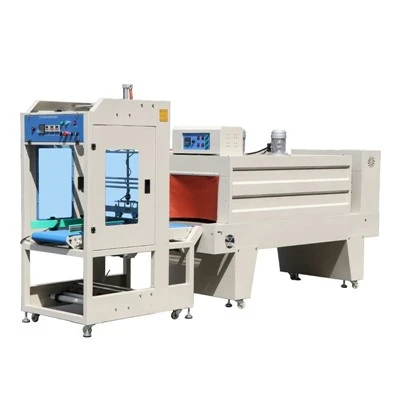
First, let’s start with the basics, real quick. A shrink tunnel isn’t just that box that makes plastic wrap tight around a bottle or a case – it’s a piece that works with your line, not against it. I’ve been in this game long enough to know that most production lines have 3 main “chokepoints” that matter when adding new gear: the speed of the line, the space you’ve got, and the type of product you’re packaging. Let’s break those down.
Line speed is non-negotiable. If your existing line cranks out 100 packages a minute, the shrink tunnel can’t handle 50 or 150 – it’ll either back up and jam, or the wrap won’t shrink right because it’s either in the heat too long or not long enough. I had a customer last year who ignored this. He had a candy bar line running 120 units a minute, and he bought a cheap shrink tunnel that only did 80. By the end of the week, he was calling me at 7 PM crying because his floor was covered in melted candy and plastic that wouldn’t shrink. We swapped it for a tunnel with adjustable conveyor speeds that matched his line, and he hasn’t had a problem since. The trick here is not just matching max speed – it’s getting a tunnel with variable speed controls. Don’t let some sales guy sell you a one-size-fits-all model for a line that’s probably gonna change speeds when you run different products anyway.
Next up is space. I can’t tell you how many people call me saying “I got a 4-foot gap between my labeler and case sealer, can I squeeze a shrink tunnel in there?” Nope – not usually. Shrink tunnels aren’t just short boxes. Most have an entry and exit conveyor that stick out a foot or two on each end, plus a heating chamber that’s way longer than most people think. I always tell customers to measure the total linear feet needed: that’s entry conveyor, heating chamber, exit conveyor, and the 6 inches of clearance you need on each side for air flow (if you block that, the tunnel overheats and burns the plastic). If your line’s got that tight “in-line” gap, there’s workarounds, though. We make compact shrink tunnels – they’re smaller, often with shorter heating chambers, that fit in gaps as small as 3 feet, but you gotta tell us your exact measurements before you order. I also had a customer with a ceiling-mounted line, so we built a tunnel that hung from a rail above his line instead of sitting on the floor – that saved him 3 feet of floor space he needed for a pallet jack. It’s not impossible, you just can’t guess. You gotta send me a pic of your line layout, not just say “I got space.”
Then there’s product-specific stuff, which is the biggest mistake people make. The shrink tunnel’s got to handle what you’re packaging, right? If you’re running tall, skinny soda cans, or squishy snack bags, or heavy glass jars, that changes everything. For example, if you’re packaging soft bread bags, they don’t need as much heat as a heavy glass bottle with a tight wrap. If your existing conveyor’s got small rollers, you can’t run big, bulky cases over it – they’ll get stuck, or fall off. We make adapter conveyor belts that fit existing rollers, so you don’t have to replace your whole line’s conveyor. Another thing: some products get damaged by heat. If you’re packaging a chocolate bar or a live plant, you need a tunnel with temperature zoning – so the first part of the heating chamber is mild, the middle is hot, and the end cools down before the product exits. I had a craft brewery client who tried a regular tunnel for his cans; the labels melted because the heat was too constant. We swapped in a zoned tunnel, and he’s now got perfect shrink wraps that don’t mess with his art. Oh, and don’t forget the shrink wrap itself – different films (PVC, POF, polyolefin) need different tunnel temperatures. If you switch film types later, you need a tunnel that can adjust temps, not a fixed one.
Now, what about the technical hookups? You don’t need an engineer to install it, but you can’t just plug it into a regular wall outlet, usually. Most shrink tunnels need 220V power, not the 110V for your line’s lights. Also, they need a vent – if you put the tunnel in a closed room, the hot air will build up and trigger a safety shutoff, or make the whole area too hot for your workers. I always remind customers to check their power source and their ventilation before they even order. If you don’t have 220V, we make adapters, or we can route a temporary power line for install, but it’s way easier if you plan for that first. Also, the connection between your existing line’s conveyor and the tunnel’s conveyor has to line up – no gaps, no uneven heights, or products will tip over. We can make custom transition strips that fit any line, so that’s no big deal, but it’s something to ask for.
Wait, what if you’re running a slower, smaller line, like 20 packages a minute? Can you integrate a shrink tunnel there too? Absolutely. Most people think shrink tunnels are just for big factories, but we make tabletop compact ones that fit on a workbench, no big power setup needed. I had a small craft coffee roaster client who was packaging his ground coffee bags, and he was doing it by hand before – now he added a tiny tunnel between his bag sealer and his packing table, and he’s cut his packaging time in half. It’s all about matching the tunnel to your line’s output, not the other way around.
I’ve seen so many people waste money on bad integrations because they tried to skip the planning step. Let’s talk about real-world examples, not just theory. Last quarter, I worked with a pet food company that had a line for 5lb bags of dog food, running 80 bags a minute. They had a 6-foot gap between their bagger and their palletizer. They thought they could buy a generic shrink tunnel and squeeze it in. Turns out, the generic tunnel’s entry conveyor was too long, and their line’s height was 4 inches lower than the tunnel’s conveyor. We had to adjust the tunnel’s conveyor legs, cut a foot off the entry conveyor, and swap out the transition strips. They lost 2 days of production waiting for the parts, but now it works like a charm. If they’d called me before ordering, I could’ve pointed them to a tunnel with adjustable leg heights and shorter entry conveyors, and they wouldn’t have lost any time. That’s why I always tell people – reach out first, don’t just buy online.
Another example: a pharmaceutical client (don’t worry, we follow all their safety rules) had a line for pill bottles, running 110 units a minute. They needed a shrink tunnel that didn’t let any lint or dust get in the packaging, per FDA rules. We integrated a tunnel with a filtered air system, so the heat flow was clean, and it fit perfectly into their existing line. The key here was that their line needed a dust-free environment, so we didn’t just hook up a regular tunnel – we modified the air system to match their plant’s clean room specs. That’s the stuff sales guys don’t tell you; they just sell you a tunnel.
Now, let’s get to the common myths. Myth #1: You have to replace your entire line to add a shrink tunnel. No. 90% of the time, you just need to modify a few parts of your existing line, or get a tunnel that’s adjustable. Myth #2: All shrink tunnels are the same for integration. Nope – compact, zoned, variable speed, custom transition parts – not every supplier offers that. Myth #3: Installation takes days. If you plan right, it can take a couple hours, not days. We even have install guides, and most mechanics can figure it out if they know their line.
Here’s the thing I always say to people: integrating a shrink tunnel isn’t about forcing new gear into an old system. It’s about finding a tunnel that works with your line, and making small tweaks where needed. The worst thing you can do is buy the cheapest tunnel you find online, plug it in, and expect it to work. You’ll end up with downtime, wasted product, and more money spent fixing it than if you’d planned ahead.
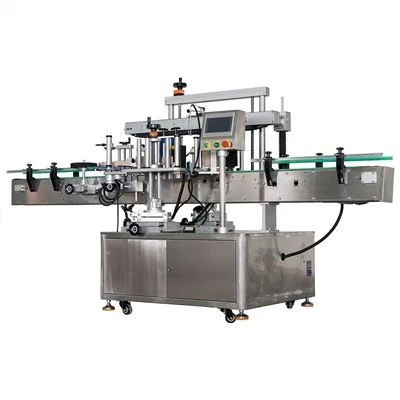
At the end of the day, I’ve been doing this for years, and I’ve integrated shrink tunnels with every type of line – from small craft operations to massive factories. The key is to be honest about your line’s speed, space, product type, and power setup. Don’t guess – measure, take pics, tell us exactly what you’re packaging and how fast it goes. We don’t do one-size-fits-all here, because I know that doesn’t work. If you’re tired of doing shrink wrap by hand, or you’re dealing with jams and bad shrink on your existing line, let’s talk. I’ll help you figure out if integration is possible, and if it is, find the right setup that doesn’t make you rip out half your production line. No sales pitch, no pushy talk – just real advice from someone who’s seen the good, bad, and ugly of shrink tunnel integrations.
Smart Packaging Systems References:
- Packaging Machinery Manufacturers Institute. (2022). Guide to Integrating Secondary Packaging Equipment with Existing Production Lines.
- Industrial Packaging Association. (2023). Best Practices for Shrink Tunnel Conveyor Compatibility and Speed Matching.
- Occupational Safety and Health Administration. (2021). Guidelines for Heat Equipment Installation in Manufacturing Facilities.
Langfang Huanqi Machinery Equipment Co., Ltd.
As one of the most professional shrink tunnels & accessories manufacturers and suppliers in China, we also support customized service. Please feel free to buy advanced shrink tunnels & accessories for sale here from our factory. Quality products and reasonable price are available.
Address: No. 40, Row 11, North Side of Central Street, Wangpeizhuang Village, Pingshu Town, Dacheng County, Langfang City, Hebei Province
E-mail: huanqijixie@outlook.com
WebSite: https://www.huanqiwrap.com/
