If you’ve ever walked a construction site, stood inside a shipping container, or installed a gutter system on a home, odds are you’ve interacted with galvanized steel sheet. As a supplier who’s been in this industry for over a decade, I’ve talked to hundreds of contractors, fabricators, and project managers who come to us frustrated with galvanized steel that doesn’t live up to their expectations. More often than not, the issue isn’t that the material is flawed by design—it’s that many people don’t fully understand the common defects that can pop up in galvanized steel sheet, and how to avoid them. Today, I want to break down the most frequent defects I see, what causes them, and what we do at our facility to make sure our product doesn’t end up costing you time and money. Galvanized Steel Sheet
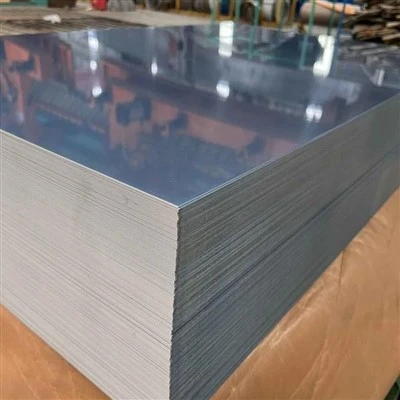
First, let’s start with the basics: galvanized steel sheet is carbon steel coated with a layer of zinc to resist corrosion. That zinc layer is the whole point— it acts as a sacrificial barrier, corroding before the steel underneath does. But that zinc coating is delicate, and defects can form at any point in the process, from the steel mill to delivery to your job site. One of the most common defects I run into is bare spots, and it’s also the most avoidable.
Bare spots are exactly what they sound like: areas where the zinc coating never properly adhered to the steel, leaving the base carbon steel exposed. I’ve seen bare spots as small as a pinprick and as large as a dinner plate, and they’re a nightmare because that exposed steel will rust almost immediately, even in mild conditions. Why do they happen? There are a few main reasons. Sometimes, it’s a problem with the base steel surface before galvanizing. If the cold-rolled steel sheet has mill scale, oil residue, or even small particles of dust or mill debris left on its surface when it goes into the galvanizing bath, the zinc can’t bond to those spots. Other times, it’s a flux issue— the flux is a chemical layer applied to the steel right before it hits the zinc bath, designed to clean the surface and help the zinc stick. If the flux is too old, too thin, or not evenly applied, you get areas where the zinc never adheres, leading to bare spots. At our facility, we test every batch of base steel for surface cleanliness before galvanizing, and we monitor flux consistency with handheld meters every shift to catch issues early. Even still, sometimes bare spots can form during transit if the sheet is stacked too tightly and rubs against itself with enough force to scratch through the zinc, but that’s a separate defect I’ll get to in a minute.
Next up, we have zinc spangle defects, specifically the dreaded “dead spangle” or over-spangled steel. Spangle is the crystalline pattern you see on the surface of hot-dip galvanized steel, formed as the zinc cools after coming out of the bath. Most of the time, spangle is a cosmetic detail that doesn’t affect performance, but dead spangle is a different story. Dead spangle is when the zinc layer is overly thick and has a dull, matte, non-reflective finish— sometimes it even looks powdery. I’ve had a customer bring us a load of steel last year for a gutter project, complaining that the coating was flaking off when they ran it through their bending machine. That’s exactly what happens with dead spangle: the thick, brittle zinc layer is prone to flaking, chipping, or cracking when the steel is formed. Why does it form? It all comes down to the composition of the zinc bath and the cooling process. If the bath has too much aluminum or lead, or if the steel is left in the zinc bath for too long, the zinc layer grows thicker than it should, and the crystalline structure becomes unstable. Dead spangle can also happen if the steel cools too slowly after galvanizing, which allows large, brittle zinc crystals to form. We avoid this at our facility by controlling the bath’s alloy composition within strict tolerances and using forced air cooling right after the steel exits the bath to ensure uniform, fast cooling that produces a durable, well-formed spangle.
Another super common defect is zinc dusting, sometimes called “powdery zinc.” This is different from dead spangle, though they can look similar at first glance. Zinc dusting is when a loose, powdery layer of zinc forms on the surface of the steel, separate from the main coating. If you run your finger over a sheet with zinc dusting, zinc powder will rub off onto your skin. This is a big problem for fabricators because the loose zinc can clog rolling mills, bending brakes, or even weld spatter during fabrication. It can also compromise the corrosion resistance of the steel, because the loose powder means the protective zinc layer isn’t fully bonded to the base steel. Zinc dusting is caused by a chemical reaction in the zinc bath: when the bath has excess iron (from steel being dissolved into the zinc over time), it forms an intermetallic compound called zinc-iron alloy that’s brittle and prone to flaking off. Unlike dead spangle, which is mostly a cosmetic and forming issue, zinc dusting can actually reduce the steel’s lifespan because it leaves gaps in the protective layer. We monitor the iron content of our zinc bath daily, siphoning off excess iron regularly to keep it below the 0.03% threshold that causes dusting— a step most smaller suppliers skip because it adds to production time. That’s one of the reasons customers come back to us: we take those extra steps that protect their work.
Moving on, we have surface scratches and abrasions, which are often categorized as “handling defects” but still count as common defects in galvanized steel sheet. These are linear marks or gouges on the zinc surface, usually caused by rough handling during transit, improper storage, or careless movement with equipment like forklifts. I’ve seen these happen a lot when sheets are stacked without protective dunnage, or when a forklift fork scrapes the edge of a sheet as it’s being moved. The problem with scratches isn’t just cosmetic— if they penetrate the zinc layer and reach the base steel, that spot will start to rust, and rust can spread faster because it’s trapped under the remaining zinc. We’ve had to replace entire loads for customers who used unprotected sheets on a project, only to find deep scratches that showed up once the steel was exposed to rain. To prevent this, we package every sheet with interlayers of corrugated cardboard when we ship them, and we wrap full skids in plastic stretch film to keep moisture and abrasion out. We also work with our logistics team to make sure sheets are moved with padded forks and stored in covered, level areas at the job site until installation.
Another defect that’s less talked about but still very common is “hydrogen embrittlement.” This is a hidden defect that only shows up after the steel has been formed, bent, or welded. Hydrogen embrittlement happens when hydrogen atoms get trapped in the steel’s crystalline structure during the galvanizing process. When the steel is subjected to stress— like bending it at a tight angle, or applying pressure during forming— those trapped hydrogen atoms cause small cracks to form in the base steel, often right under the zinc coating. The worst part? You can’t see hydrogen embrittlement on the surface of the steel until it’s too late; the cracks form internally, leading to sudden, unexpected failure. I learned about this the hard way early in my career, when a customer called us saying a batch of roof flashing we supplied had cracked while being installed. We traced it back to a temporary issue with our pickling process before galvanizing: the pickling acid had left excess hydrogen in the steel, and when the fabricators bent the flashing, the cracks formed. Since then, we’ve implemented a post-galvanizing baking process that drives out all trapped hydrogen, eliminating this defect almost entirely. It adds about 10 minutes per sheet to production, but it’s saved us from dozens of costly returns and ruined projects.
Wait, can I forget about uneven coating thickness? That’s another top complaint. Some parts of the steel sheet have a zinc layer that’s much thinner or much thicker than the specified amount, which leads to inconsistent corrosion resistance. A sheet that’s supposed to have a 2.75 oz per square foot zinc coating might have a spot with only 1 oz per square foot, which will rust out in half the time in a marine or industrial environment. Uneven coating thickness is usually caused by variations in the steel’s temperature when it enters the zinc bath. If one side of the sheet is hotter than the other, the zinc will adhere more thickly to the cooler side, leading to unevenness. It can also be caused by incorrect bath flow— if the zinc bath isn’t circulating evenly around the sheet, some areas get more zinc than others. At our facility, we use temperature sensors across every sheet before galvanizing, and we have high-velocity zinc bath nozzles that ensure uniform flow around the entire sheet, so we never get a batch with inconsistent coating thickness. We also test every sheet’s coating thickness with a precision gauge before it leaves our warehouse, so our customers get exactly what they order.
I’ve also encountered “black patches” on galvanized steel, which are often mistaken for rust at first, but are actually a different type of defect. Black patches are dark, irregular areas on the surface of the zinc coating, caused by a reaction between the zinc and moisture or chemicals in the environment during transit or storage. If the steel gets exposed to high humidity, or even to chemicals like road salt or industrial fumes before it’s installed, it can form a black zinc corrosion product called zinc hydroxide. Unlike rust on the base steel, black patches don’t usually penetrate the coating, but they do leave a permanent, unsightly mark that can be a problem for architectural projects where appearance matters. We add a light chromate coating to every sheet we ship as a standard practice— it’s a thin, clear layer that protects the zinc from reacting with moisture during transit and storage, preventing black patches from forming. It’s a small step, but our architectural customers tell us it makes all the difference for their finished projects.
Now, I want to be clear: not all defects are the same, and some are more critical than others. For structural steel that’s going to be buried in concrete, small scratches might not be a big deal, but for a gutter system on a home, even a tiny bare spot can lead to leaks. That’s why it’s so important to work with a supplier who understands not just the production process, but how your specific application will affect what defects matter. Over the years, I’ve learned that most customers don’t want to hear a sales pitch— they want to know that the steel they’re buying is going to work for their project, no surprises. I’ve seen too many fabricators and contractors lose money, time, and even their reputation because they bought cheap galvanized steel with avoidable defects.
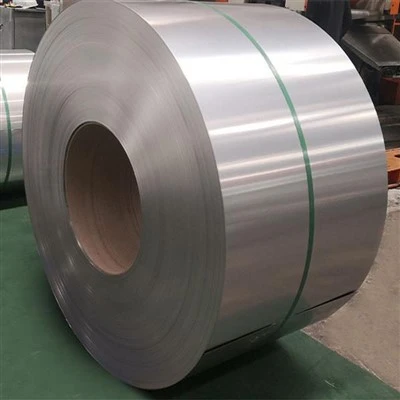
At our facility, we don’t just galvanize steel— we test every batch at every step. We check surface cleanliness before galvanizing, test flux consistency, monitor bath composition, check coating thickness and spangle, and add our protective chromate layer before shipping. We also work closely with our customers to answer questions about defect prevention: whether you’re storing sheets for a construction job, forming them for a custom part, or installing them in a high-corrosion environment, we give you advice based on what we’ve learned from 15 years in this business. If you’ve ever dealt with defective galvanized steel, if you want to make sure your next project runs smoothly, or if you just have questions about defects and how to avoid them, I’d love to talk. We understand that quality galvanized steel isn’t just a product— it’s the backbone of your project, and we’re here to make sure it doesn’t let you down.
Carbon Steel Pipe/Tube References:
- TGB The Galvanizers Association. (2022). Hot-Dip Galvanizing Defect Identification Guide.
- American Society for Testing and Materials (ASTM). (2021). Standard Specification for Zinc-Coated (Galvanized) Steel Sheet.
- World Steel Association. (2020). Galvanized Steel: Defects and Quality Control Standards.
- European Galvanizers Association. (2019). Prevention and Resolution of Common Galvanizing Defects.
Wuxi Jin Ming Jian De Industry & Trade Co., Ltd.
Wuxi Jin Ming Jian De Industry & Trade Co., Ltd. is one of the most professional galvanized steel sheet manufacturers and suppliers in China, also supports customized service. With abundant experience, we warmly welcome you to wholesale CE approved galvanized steel sheet in stock here from our factory. If you have any enquiry about quotation, please feel free to email us.
Address: 2102-2105, Yuexing Building, Guangnan Road, Liangxi District, Wuxi City, Jiangsu Province, China.
E-mail: info@wxjmjdss.com
WebSite: https://www.jmjdsteelexp.com/
