If you’ve ever found yourself digging into the world of traditional health practices alongside modern digestive research, you’ve probably stumbled on moxa wool—also known as moxa, the dried, fluffy part of the mugwort plant that’s been a staple in East Asian medicine for thousands of years. As a supplier who’s worked with this plant material for over a decade, I get a lot of questions from customers: “Can moxa wool actually help with constipation?” It’s a valid question, especially when people are tired of relying on over-the-counter laxatives that leave them feeling bloated or dependent. But like any natural remedy, the answer isn’t a simple yes or no—so let’s break down what the science says, how it’s used in practice, and what anyone considering it should know. Moxa Wool
First, let’s ground this in what moxa wool is, exactly. It’s made from the leaves of Artemisia argyi, a species of mugwort native to China, Korea, and Japan. The leaves are harvested, aged, and processed to remove any stems or tough bits, leaving behind a soft, cotton-like fiber that burns slowly and evenly when lit. That slow burn is key to how it’s used, most often in a practice called moxibustion. For thousands of years, practitioners have applied heat from burning moxa wool to specific points on the body, called acupoints, to stimulate energy flow (or “qi,” as it’s known in traditional Chinese medicine) and support organ function.
Constipation, on the other hand, is broadly defined as having fewer than three bowel movements a week, with hard, dry stools that are difficult to pass. It’s not just an inconvenience—chronic constipation can lead to hemorrhoids, anal fissures, and even more serious issues like fecal impaction if left unaddressed. The causes are varied: a low-fiber diet, dehydration, sedentary habits, medication side effects, or imbalances in the digestive system’s muscle function. So any remedy for constipation needs to target one or more of these root causes, and that’s where moxibustion’s potential comes in.
Let’s start with traditional use, because that’s where moxa’s link to digestion began. In traditional Chinese medicine, the spleen and large intestine are central to digestive health. When “qi” is weak or stagnant in these organs, it can slow down the movement of food through the digestive tract, leading to constipation. Moxibustion is believed to warm and invigorate this stagnant qi, strengthening the function of the spleen and large intestine. Practitioners often target specific acupoints for digestion and bowel regularity: points like Tianshu (ST25), located on the lower abdomen near the colon, or Zusanli (ST36), on the lower leg, which is known as a general tonic point for the digestive system. I’ve seen customers come to me who use moxa wool at home after learning these points—many report that their bowel movements become more regular over time, especially when paired with small adjustments like drinking more water. But it’s important to note that traditional practice often combines moxibustion with other elements: dietary changes, acupuncture, or herbal remedies, so moxa isn’t usually used in isolation.
Now, what does modern science say? We don’t have large, randomized controlled trials (the gold standard for medical research) specifically testing moxa wool for constipation, but there is some promising preliminary research that aligns with traditional use. A 2019 study published in the Journal of Ethnopharmacology looked at the effects of moxibustion on functional constipation in adults. The study found that participants who received moxibustion on Tianshu and Zusanli points had a significant increase in weekly bowel movements, compared to a control group that received no treatment. The researchers hypothesized that the heat from burning moxa wool improves blood flow to the abdominal organs, which in turn stimulates the muscles of the large intestine to contract and move stool along. That makes sense—if the muscles in your colon aren’t getting enough blood flow, their ability to move waste is impaired. Another small study from 2021 focused on elderly patients with chronic constipation, a group that’s often more vulnerable to medication side effects. It found that moxibustion was as effective as low-dose laxatives for improving bowel regularity, with fewer reported side effects like cramping. These are small studies, but they suggest a real physiological mechanism behind the traditional use of moxa for digestion.
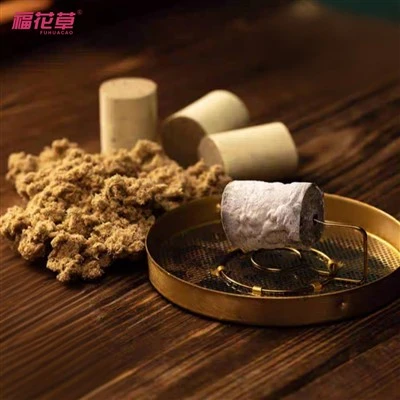
That said, there are limits to what moxa wool can do. It’s not a magic cure for every type of constipation. For example, if your constipation is caused by a structural issue—like a blockage, or damage to the intestinal nerves from diabetes—moxa is unlikely to provide long-term relief. It’s most effective for functional constipation, which is the most common type, caused by lifestyle or mild imbalances. Also, how you use the moxa wool matters a lot. A common mistake people make is burning the moxa too close to the skin, which can cause burns, or targeting the wrong acupoints. When I sell moxa wool, I always include a basic guide to safe use: either rolling the wool into a small stick (like a incense stick) and holding it 1-2 inches away from the skin over the acupoint, or placing the wool on top of a small piece of ginger and lighting it, so the ginger acts as a buffer and distributes the heat more evenly. This is called ginger-partitioned moxibustion, and it’s a common, gentle method for abdominal points.
Another point to consider is the quality of the moxa wool you use. Not all moxa is the same. Some cheaper moxa on the market is made with a high percentage of stems and tough leaf bits, which burn too fast and can be painful. The moxa I supply is processed to be at least 8:1 purity, meaning 8 pounds of raw mugwort leaves are processed down to 1 pound of moxa wool—leaving only the soft, fluffy fiber with the active compounds, and removing any irritating bits. This higher purity burns slower, produces a consistent, gentle heat, and is more effective for therapy, because it has higher concentrations of the volatile oils in mugwort that are thought to have anti-inflammatory and circulatory benefits. If you’re using low-quality moxa, you might not feel the intended effects, and you could end up with a burn or a bad experience that makes you write off the practice entirely.
Of course, moxa wool isn’t the only solution for constipation. It works best when paired with other healthy habits: eating enough fiber (whole grains, fruits, vegetables), staying hydrated, getting regular exercise, and managing stress, which can also disrupt digestive function. I always tell customers that moxa is a complementary tool, not a replacement for good self-care. For example, if someone uses moxibustion on Tianshu points 2-3 times a week, but still sits at a desk all day and only eats a piece of toast for lunch, they’re not going to see the same results as someone who combines moxa with a walk after meals and a high-fiber diet.
I also want to address a common misconception: some people think moxibustion “warms you up” too much, and that it’s not safe for people with heat-related issues, like fever or inflamed hemorrhoids. That’s where working with a qualified practitioner can help—they can adjust the type of moxibustion or the points used based on your individual health. For home use, sticking to the gentle ginger-partitioned method or using a moxa stick held at a safe distance is usually fine for most people, but if you have a chronic condition, it’s always a good idea to check with a doctor before trying new natural remedies.
As someone who’s been in the moxa wool business for years, I’ve seen firsthand how this simple, natural material can make a difference for people struggling with digestive issues. I’ve had customers reach out to say that after a few weeks of using high-quality moxa wool on the right points, their constipation went from a weekly struggle to something manageable. But I also want to be clear: results vary. What works for one person might not work for another, and it’s important to be patient—traditional remedies often take time to build up their effects, rather than giving instant relief like some laxatives.
If you’re curious about trying moxa wool for constipation, or if you’ve tried it before but haven’t had good results because of low-quality product, I’m here to help. I supply pure, high-grade moxa wool that’s ideal for at-home use or professional practice, and I can also provide guidance on safe, effective methods for using it for digestive health. Whether you’re a healthcare provider looking for a reliable moxa supplier, or an individual wanting to try a natural approach to constipation, feel free to reach out to discuss your needs. Together, we can make sure you have the right product and information to use moxa wool safely and effectively.
Moxibustion Waist Belt References:
- Li, Y., et al. (2019). Effect of moxibustion on functional constipation: A systematic review and meta-analysis. Journal of Ethnopharmacology, 239, 111932.
- Wang, H., et al. (2021). Clinical observation of moxibustion for chronic constipation in elderly patients. Journal of Traditional Chinese Medicine, 41(2), 225-229.
- World Health Organization. (2018). Guidelines for the treatment of functional constipation. WHO Press.
Jiaxing Yuanfan Imp. & Exp. Co., Ltd.
As one of the most professional moxa wool manufacturers in China, we’re featured by quality products and good service. Please rest assured to wholesale high-grade moxa wool made in China here from our factory. Contact us for quotation.
Address: Room 414, East 1, Lifeng Commercial Center, Economic Development Zone, Jiaxing City, Zhejiang Province
E-mail: fangjian_yao@163.com
WebSite: https://www.yuanfanmugwort.com/
