If you’ve ever stood in a foundry or steel mill watching tons of byproducts pile up, you’ve probably wondered the same thing I did a decade ago: what if all that “trash” could become something valuable? Back then, I was just a kid working in a metal processing plant, moving sacks of used rubber, scrap plastic, and leftover coal sludge out to the junkyard every Friday. Now, as a carbon raiser supplier, that same question drives every decision I make. Today, I’m going to pull back the curtain on a question I get almost weekly from foundry managers and steel mill operators: Can waste materials actually be used to produce carbon raiser? The short answer is yes—and not just that, it’s one of the most sustainable, cost-effective moves our industry has made in the last 15 years. But before we dive into the how and why, let’s make sure we’re all on the same page about what carbon raiser actually is, because if you skip that part, the rest doesn’t make sense. Carbon Raiser
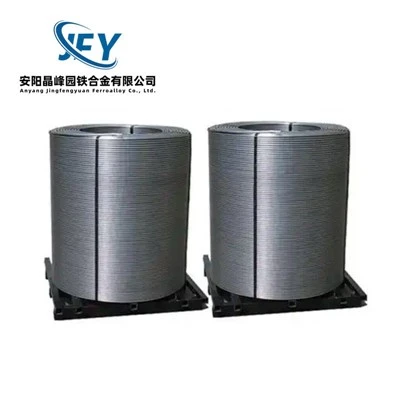
Carbon raiser (also called carburizer) is a critical additive used in iron and steel production. When you melt scrap metal to make cast iron or steel, the base metal often doesn’t have enough carbon to get the hardness, strength, and structural consistency you need. Add too little, and you get brittle, uneven metal that cracks during machining. Add too much, and you end up with excess porosity that ruins finished parts. A good carbon raiser delivers 90%+ pure carbon, with low levels of contaminants like sulfur, nitrogen, and ash, because those impurities cause defects too. Traditional carbon raisers come from things like calcined petroleum coke, coal tar pitch, and anthracite coal. But those raw materials aren’t cheap, they’re non-renewable, and mining and processing them leaves a huge carbon footprint. That’s where waste materials come in—and I’m not talking about any old trash. We’re talking about engineered waste streams that actually have the chemical makeup to compete with virgin raw materials.
Let’s start with the most common waste material we use today: used tire rubber. If you’ve ever seen the mountain of discarded tires near a highway, you know how big this problem is. The U.S. alone generates over 300 million end-of-life tires every year, and only about 15% of them are recycled into things like playground mulch. The rest end up in landfills, where they leach chemicals and take hundreds of years to decompose, or get burned in unregulated facilities that release toxic fumes. Tire rubber is perfect for carbon raiser because it’s almost 95% carbon by weight. Wait, that’s almost pure carbon? Why not just use it straight? Because raw tire rubber has a lot of volatile compounds—things like oil, zinc, and sulfur—that would burn off too fast during metal melting, leaving gaps in the carbon delivery. That’s why we process it with a method called pyrolysis: heating the tires in a closed, oxygen-free chamber at temperatures between 500 and 800 degrees Celsius. No oxygen means no combustion, so we don’t release those toxic fumes. Instead, we break down the rubber into two main products: pyrolysis oil (which we can sell as fuel or use as a feedstock for other chemicals) and char. That char is the magic part. We then grind it, calcine it (heat it even hotter to burn off remaining volatiles), and test it for purity. What we’re left with is a carbon raiser that clocks in at 92-94% pure carbon, with sulfur levels lower than many virgin petroleum coke products. I’ve sent samples to foundries that used to pay top dollar for virgin carbon raiser, and they couldn’t tell the difference in test results. The only difference was the price—our waste-based carbon raiser is 20-25% cheaper for them, and they get to check a sustainability box for their ESG reports.
Another waste stream we work with daily is industrial plastic waste. Not the plastic bottles and bags that end up in your curb bin—those are too contaminated with food, dirt, and other materials. We source post-industrial plastic scrap, the clean stuff that’s left over from manufacturing plastic parts. Think of the offcuts from car bumper production, or the scrap from plastic pipe factories. That plastic is almost pure hydrocarbon, which breaks down to almost pure carbon when processed properly. The key here is controlling the pyrolysis temperature and adding small amounts of a catalyst to reduce nitrogen and ash content. We’ve been using plastic-derived carbon raiser in steel mills for three years now, and we have a client that uses 200 tons of it a month to make structural steel for bridges. They told us last quarter that switching cut their raw material costs by $120,000 a year, and their defect rate from carbon inconsistencies dropped by 8%. That’s not just good for us—it’s good for their bottom line, and it’s good for the planet because we’re keeping thousands of tons of plastic out of landfills every year.
Wait, I know what some of you are thinking: “What about ash and other contaminants? Waste has more junk in it, right?” It’s a fair question. A lot of early attempts to make carbon raiser from waste failed because they didn’t process the material enough, cutting corners to save money. But at our facility, we run every batch through five quality checks before it ever leaves our warehouse. First, we test the raw waste to make sure it meets our purity threshold—any waste with more than 5% non-carbon contaminants gets sent back to the recycler, not to production. Then we track every step of the pyrolysis process: temperature, pressure, processing time. We use data loggers to make sure each batch is consistent, because one bad batch can ruin a foundry’s entire melt. After calcination, we grind the carbon to a uniform size—carbon raiser particles that are too big sink too fast in the molten metal, and particles that are too small float away, so size consistency is non-negotiable. Finally, we run a full elemental analysis to measure carbon, sulfur, nitrogen, ash, and moisture levels. Our quality control team rejects any batch that doesn’t meet ASTM International standards for carbon raiser. We know how important this stuff is—one of our first clients was a small foundry that made engine blocks for lawn mowers. A bad carbon raiser batch made their blocks crack during heat treatment, and they lost $40,000 in raw material and missed a holiday order. We never let that happen again, and that’s why we’ve built our business on consistent, reliable waste-based carbon raiser.
Now, let’s talk about the environmental side, because that’s what makes this so much more than a “cool idea.” Traditional virgin carbon raiser production relies on extracting fossil fuels, which generates emissions at every step: mining, transporting, processing, and burning. The International Energy Agency estimates that the carbon footprint of virgin carbon raiser is about 85 kilograms of CO2 per ton of product. Our waste-based carbon raiser? We source waste that would otherwise decompose or burn, so we avoid those emissions, and our production process is 30% less energy-intensive than virgin production. A 2022 study from the Steel Recycling Institute found that using waste-derived carbon raiser reduces the overall carbon footprint of steel production by 12-15%, compared to using virgin petroleum coke. For a steel mill producing 1 million tons of steel a year, that’s a reduction of 13,000 tons of CO2—equivalent to taking 2,800 cars off the road for a year. That’s not just a number on a sustainability report; that’s real impact, and our clients love being able to tell their customers that their steel is made with recycled materials.
I’ll be honest with you: this wasn’t a straight path. When we first tested tire-derived char in 2015, we had a lot of setbacks. The sulfur levels were too high, the particle size was inconsistent, and we lost $50,000 in raw materials before we got the process right. We worked with a team of chemical engineers for two years, adjusting pyrolysis temperatures and adding purification steps, and by 2017, we had a product that met all industry standards. Today, we process over 12,000 tons of waste tires and 8,000 tons of post-industrial plastic every year, turning that waste into a product that’s essential to manufacturing. We’re not the only ones doing this, either. Last year, the American Foundry Society named waste-derived carbon raiser one of the top 10 sustainability innovations for metal production, and several large steel companies have started their own waste processing programs to make their own carbon raiser.
But here’s the part that matters most to our clients: waste-based carbon raiser isn’t just a sustainability play—it’s a practical, performance-driven choice. Let me give you an example. A few months ago, I met with the production manager at a medium-sized foundry in the Midwest that had been using virgin calcined petroleum coke for 10 years. Their previous supplier had raised prices by 18% in six months, and their defect rate from nitrogen contamination was 2.1%. We brought in a sample of our tire/plastic blend carbon raiser, and they ran a side-by-side test with their existing product. The test results were almost identical: carbon content was 93.2% for our product vs. 93.5% for the virgin product, sulfur was 0.52% vs. 0.51%, nitrogen was 0.04% vs. 0.05%. The only difference? Our price was 22% lower, and when they switched, their defect rate dropped to 1.3% because our particle size was more consistent. They’ve been a client ever since, and they now source 70% of their carbon raiser from us.
I know there are still skeptics out there. Some in the industry think waste-based products can’t match the consistency of virgin materials, or that the supply of waste isn’t reliable enough. Let me address that. First, consistency: we produce every batch under controlled conditions, and our quality team has over 20 years of experience testing carbon raiser. We can send you free samples to test in your own melt process, no strings attached. Second, supply: we partner with 12 regional waste processing facilities across the country, so we can source enough waste to meet orders of any size, from small foundries that need 10 tons a month to large steel mills that need 500 tons a week. We also have long-term contracts with waste handlers to ensure a steady supply, so you never have to worry about us running out mid-order.
At the end of the day, this is what it’s all about: turning something that would otherwise be a problem into a solution. For too long, our industry has treated waste as something to be disposed of, not something to be reused. Carbon raiser is one of the most essential additives in metal production, and using waste materials to make it changes two things at once: it reduces the demand for non-renewable fossil fuels, and it cuts down on the massive amount of waste that clogs our landfills and pollutes our air. I started this journey moving tires out of a junkyard, and now I get to help metal producers make better parts, save money, and be more sustainable. That’s the kind of work that doesn’t feel like a job.
If you’re a foundry manager, steel mill operator, or procurement specialist who’s tired of volatile virgin carbon raiser prices, inconsistent product quality, or want to reduce your operation’s environmental footprint, I’d love to hear from you. We can send you free samples, run a custom test batch for your specific melt process, and walk you through how switching to our waste-based carbon raiser can save you money while meeting all your performance standards. There’s no obligation, just a conversation about making your operation better.
Alloy References
- International Energy Agency. (2021). Global Carbon Raiser Market Analysis and Sustainability Outlook. IEA Publications.
- Steel Recycling Institute. (2022). Waste-Derived Carbon Additives: Life Cycle Assessment and Industry Impact. Steel Recycling Institute Research Report.
- American Foundry Society. (2022). Top 10 Sustainability Innovations for Metal Production. AFS Technical Journal.
- Pyrolysis Industry Association. (2020). Standard Specifications for Waste-Derived Carbon Products. PIA Standards.
- Journal of Manufacturing Processes. (2019). Performance Evaluation of Waste Tire-Derived Carbon Raiser in Gray Iron Production. Volume 45, Pages 212-219.
Anyang Jingfengyuan Ferroalloy Co., Ltd.
As one of the most professional carbon raiser manufacturers and suppliers in China, we’re featured by quality products and good price. Please rest assured to buy bulk carbon raiser in stock here and get quotation from our factory. We also accept customized orders.
Address: Longquan Town Industrial Park, Long’an District, Anyang City, Henan Province
E-mail: Jingfengyuan@jfyferroalloys.com
WebSite: https://www.jfy-ferroalloy.com/
