If you’ve ever rolled your eyes at the idea that jewelry is “only for women,” let’s set the record straight: men’s jewelry has shaped empires, signaled loyalty, and carried stories for millennia—long before Instagram made a bold cufflink or a vintage chain a viral trend. As a men’s jewelry supplier, I’ve spent years sourcing pieces that honor this history, not just chasing the latest flashy fad. The most iconic men’s jewelry isn’t just metal or stones strung together—it’s a physical link to power, identity, and the quiet, unspoken codes that have bound men (and their communities) across centuries. Let’s dive into the pieces that have stood the test of time, and why they still matter today. Men’s Jewelry
The Ancient Beginnings: Signet Rings—Seals of Power That Still Seal Deals
Walk into any museum’s ancient art wing, and you’ll spot them: simple, unassuming bands of gold, silver, or bronze, carved with tiny symbols—family crests, gods’ faces, even initials. These are signet rings, and they’re the OG of men’s jewelry. In Mesopotamia (around 3500 BCE), kings wore these rings to press into soft clay, turning their mark into a legal signature. No one could forge a king’s seal; that ring was proof of his word, his authority, and his bloodline. The ancient Egyptians upped the ante: pharaohs wore signet rings with hieroglyphs, using them to mark everything from royal decrees to trade contracts. If your ring matched the pharaoh’s, you had his trust.
Fast forward to medieval Europe, and signet rings went from royal tools to noble status symbols. Knights wore them emblazoned with their family coat of arms—wear that ring to a tournament, and every other knight knew your house, your honor, and your standing. Even into the Renaissance, when nobles carried seals separately, the ring remained a staple. It wasn’t just a status symbol; it was a promise. You’d use your signet to seal a marriage contract, a land deal, or an oath of loyalty—break that promise, and your ring (and your reputation) was worthless.
Today, signet rings are having a renaissance. As a supplier, I see more grooms opting for a custom signet over a plain wedding band, or professionals stacking them with thin gold bands instead of flashy watches. Why? Because they’re quiet. They don’t yell “look at me”—they whisper “I mean what I say.” A client recently told me he wears his grandfather’s old signet ring, which bears the logo of his dad’s small construction company. When he signs a big contract, he presses his ring into the paper first. It’s not just a ring—it’s a link to the men who built his world. That’s the magic of these pieces: their purpose hasn’t changed, even when the world around them has.
The Chain That Binds: The Cuban Link—From Prison Walls to Red Carpets
Let’s talk about the Cuban link. You know it: thick, interlocking gold links, polished to a mirror shine, sometimes with diamonds set into the largest links. For decades, it was dismissed as a “hip-hop thing” or a “flashy rapper accessory,” but its history is far more layered—and far more masculine—than that.
The Cuban link’s origins trace back to 1970s Miami, when Cuban immigrants brought a style of chain-making that was bold and durable. But its real rise to icon status came from an unexpected place: American prisons. In the 1980s, incarcerated men would make their own versions of these chains using scrap metal, trading them for favors, protection, or cash. These homemade chains (often called “baller links”) became a symbol of survival, status, and loyalty in communities where power is earned through grit, not title. The weight of the chain? A signal that you weren’t to be messed with. The number of links? A way to show off how much you’d endured to get it.
When hip-hop exploded in the 1990s and 2000s, artists like Biggie, Jay-Z, and Puff Daddy adopted the Cuban link, turning it from a prison symbol into a global fashion staple. They paired it with baggy jeans and oversize tees, making it a look for men of all backgrounds. What makes the Cuban link iconic is its versatility: it works with a suit at a wedding, a casual tee at a backyard BBQ, or even streetwear on the red carpet. It’s not just a chain—it’s a symbol of resilience. For me as a supplier, that’s why we don’t just sell plain Cuban links; we work with customers to add personal touches—like engraving a parent’s name on the clasp or a small symbol that matters to them. It turns a mass-produced piece into something that carries their story, not just a trend.
The Understated Warrior: The Cufflink—From Gilt Gloves to Boardrooms
If signet rings are the quiet power players, cufflinks are the unsung heroes of men’s jewelry. For centuries, men wore them to fasten the cuffs of their dress shirts—but they evolved into so much more. Back in the 17th century, European noblemen wore elaborate cufflinks made of gold, silver, and even enamel, shaped like swords, horses, or family crests. These weren’t just functional; they were a way to show off wealth and taste without overdoing it. A lord wouldn’t wear a giant diamond around his neck, but a pair of carefully crafted cufflinks? That proved he had refined taste, not just money.
The 20th century cemented the cufflink’s place as a men’s staple. In the 1920s, when men traded frock coats for sharp suits, cufflinks became a required accessory. Think of the Rat Pack: Frank Sinatra, Dean Martin, Sammy Davis Jr.—they wore cufflinks like they wore their suits: effortlessly cool. Even today, you see CEOs at board meetings wearing a subtle pair of silver cufflinks, or grooms on their wedding day with a pair engraved with their new wife’s initials.
What’s great about cufflinks is their quiet sophistication. They’re only noticed if you want them to be—when someone leans in to shake your hand, or adjusts your sleeve. They’re not loud, but they say “I care about the details.” As a supplier, I always keep a range of classic sterling silver and gold cufflinks, but we also work with customers to make custom pairs—for a father giving a cufflink set to his son for college graduation, or a veteran getting a pair engraved with his division’s patch. It’s small, but it’s personal. That’s the kind of jewelry that lasts.
The Timeless Constant: The Wedding Band—A Promise You Wear Every Day
No list of iconic men’s jewelry would be complete without the wedding band. For thousands of years, men have worn rings to symbolize their commitment to a partner. The ancient Egyptians were the first to formalize this: they believed the fourth finger of the left hand had a “vena amoris”—the vein of love—that ran straight to the heart. So they carved rings from woven reeds, leather, later gold, to seal that bond. It wasn’t until ancient Rome that men started wearing wedding bands regularly; before that, it was mostly a female tradition. Roman grooms would give their brides gold rings, but by the Middle Ages, men were wearing them too, as a sign that they were “taken” and bound by marriage.
For centuries, wedding bands were simple—plain gold, no stones, no frills. It was a quiet promise, worn on the hand you used to shake, work, and live. In the 20th century, diamond wedding bands became popular, thanks in part to the De Beers ad campaigns of the 1940s, but even then, many men stuck to plain gold bands. Today, the wedding band is more personal than ever: some men get engraved with their wedding date, others add small diamonds to mark the birth of a child, and some skip the diamond entirely for a tungsten or titanium band that’s durable enough for manual labor.
What makes the wedding band iconic is its constancy. You wear it every day, through good days and bad, through stress and joy. It’s not for show—it’s for you and your partner. I’ve had so many customers come to me for custom wedding bands: one was a construction worker who wanted a tungsten band that wouldn’t scratch when he used a hammer; another was a teacher who wanted a plain gold band that would hold up to grading papers and recess duty. Those aren’t the flashy pieces, but they’re the ones that matter most.
Beyond the Big Four: Pieces That Tell Modern Stories
Of course, men’s jewelry has evolved, and there are modern pieces that are becoming iconic. Think of the dog tag: originally worn by soldiers to mark their identity if they died on the battlefield, today it’s worn by veterans, first responders, and anyone who wants to honor service. Or the pendant: a small necklace with a symbol—maybe a cross, a family crest, or a quote—that carries personal meaning. I’ve even seen men wearing enamel pins on their jacket lapels, which are a modern take on the heraldic symbols of the past.
But here’s the thing: all these pieces, from ancient signet rings to modern dog tags, share a core truth. Men’s jewelry has never been about following trends—it’s about identity. It’s about carrying a story, a promise, a part of yourself that you want to keep close. As a men’s jewelry supplier, my goal isn’t to sell you the biggest, shiniest piece. It’s to help you find something that means something.

Whether you’re looking for a custom signet ring to seal a new business deal, a Cuban link to remind you of the grit it took to get where you are, a pair of cufflinks that make you feel confident in a meeting, or a wedding band that’s going to last a lifetime, we can help. We work with men to design pieces that are personal, durable, and meaningful—no mass-produced junk, no overpriced hype. We believe that great men’s jewelry is about quality, not flash, and about stories, not trends.
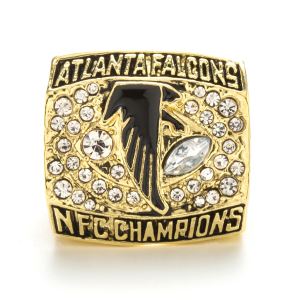
Championship Ring If you’re looking to create a piece that’s uniquely yours, or to build a collection of iconic pieces that will last for years, we’d love to connect. We partner with individuals, designers, and businesses to craft jewelry that stands the test of time, just like the pieces we’ve talked about here.
References
- Hunt, L. B. (2019). Signet Rings: Seals of Power and Identity in the Ancient World. University of Pennsylvania Museum of Archaeology and Anthropology.
- Bradley, A. (2021). "The Cuban Link’s Hidden History: From Prison Yards to Red Carpets." Vogue Men’s Style.
- Jenkins, R. (2018). Cufflinks: A History of Masculine Detail. Phaidon Press.
- Taylor, J. (2022). "The Wedding Band: A 5,000-Year History of Men’s Commitment Jewelry." Men’s Jewelry Quarterly.
- Smith, K. (2020). Masculine Adornment: Men’s Jewelry from the Renaissance to Present Day. Thames & Hudson.
Champion Ring Manufacturing Factory
With abundant experience, we are one of the most professional men’s jewelry manufacturers and suppliers in China. We warmly welcome you to wholesale bulk fashion men’s jewelry made in China here from our factory. Good service and quality products are available.
Address: No.496, Chengdian Road, Zhejiang, China
E-mail: admin@championrings.cn
WebSite: https://www.jewelry-ftys.com/
