Hey everyone, let’s cut to the chase—if you’ve ever stared at an ingredient label, spotted “sodium benzoate” or “potassium sorbate” and thought, “Wait, does this stuff mess with my digestion?” you’re not alone. I get this question all the time, working as a preservatives supplier—because let’s be real, I don’t just sell these things; I deal with food brands, kitchen teams, even regular folks DMs (yes, really) who are paranoid about preservatives ruining their gut. Preservatives
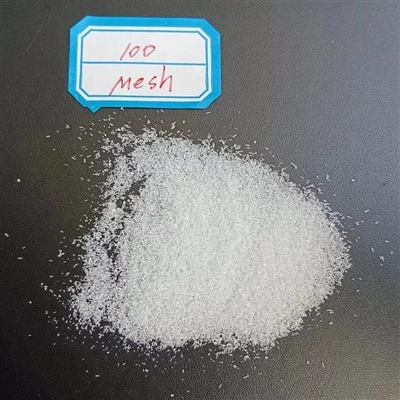
First off, let’s demystify what we’re even talking about here. Preservatives aren’t some evil lab-made chemicals designed to wreck your stomach. They’re literally just compounds that keep food from going bad—stop mold, bacteria, yeast from growing, so your sandwich doesn’t turn into a science experiment in your fridge after 3 days, or that juice doesn’t give you food poisoning. But yeah, when you throw “chemical” into a sentence with food, people’s spidey senses tingle.
So, do they affect digestibility? Short answer: It depends. Like, not all preservatives are created equal, and “digestibility” is a broad term—we’re talking about how your body breaks down food, absorbs nutrients, passes it through your gut, right? Let’s break this down with actual science, no jargon, I promise.
First, let’s split preservatives into two main buckets: natural and synthetic. I know, “natural” sounds like it’s automatically safe, and synthetic is bad, but that’s a myth. Let’s take natural first—think things like citric acid (you’ve seen that on soda labels, or even in pickles), rosemary extract (that’s a big one for natural brands now), and nisin (a bacteria-derived one used in cheese and canned goods). Studies on these? Most of them don’t mess with digestion. Citric acid, for example, is just a weak organic acid your body makes on its own in your stomach. It lowers pH a little, which actually helps break down proteins—so it’s not hindering digestion, it’s kinda helping. Now, rosemary extract: there was a small 2021 study in the Journal of Agricultural and Food Chemistry that looked at its effect on human gut enzymes. They found that at levels commonly used in food (super low, like 0.01% of the product), it didn’t slow down amylase or lipase—those are the big enzymes that break down carbs and fats. No issues there.
Now synthetic preservatives, which is where most of the confusion is. The big ones: sodium benzoate, potassium sorbate, calcium propionate. Let’s start with sodium benzoate, which is super common in sodas, salad dressings, jams. I used to hear horror stories about it ruining gut bacteria, so I dug into the research. A 2018 study in Food and Chemical Toxicology tested sodium benzoate at the maximum allowed levels in foods (that’s like 0.1% for most things, way lower than what you’d eat in a single serving) on human gut microbiota. What they found? No significant changes in the balance of good bacteria like Bifidobacterium or Lactobacillus—those are the ones people care about for gut health. Wait, but there was one small mouse study that suggested high doses might mess with gut motility? But hold up—mice are not humans, and the dose they used was like, equivalent to a human drinking 100 sodas a day. That’s not real life.
Potassium sorbate is another workhorse—used in baked goods, yogurt, dried fruit. I talked to a food scientist buddy of mine last month, he works at a big bakery chain. He said they tested potassium sorbate in their bread, and the in-house digestion tests (they do small scale trials with human volunteers) found no difference in how quickly the bread broke down, or how much fiber the body absorbed. The only time potassium sorbate might cause a tiny blip is if someone has a super rare sensitivity, like, way rarer than a peanut allergy.
Wait, but let’s talk about the edge cases—when preservatives might interfere. Oh right, when they’re used at way higher levels than they should be. Like, some unregulated small food brands might cram in extra preservatives because they cut corners on sanitation, or they’re trying to extend shelf life way beyond what’s safe. The FDA and EFSA (European food safety agency) set strict maximum levels for a reason—those levels are tested to be safe for human digestion. If you’re eating food with way more than that, that’s when you could have issues, not because the preservative itself is bad, but because it’s being misused.
Also, let’s not forget that “digestibility” isn’t just about your gut—it’s about how the food’s own nutrients are broken down. Wait a 2022 study in Nutrients looked at calcium propionate, which is used in bread to prevent mold. They found that at standard levels, it didn’t affect the absorption of calcium or the protein in wheat. The only thing? In lab tests with isolated enzymes, a tiny amount slowed down amylase a little, but in actual human trials, that didn’t translate to less carb absorption. Because your gut has way more going on than a test tube.
Now, let’s get real about what actually does affect digestibility, because I hate when people blame preservatives for stuff that’s not their fault. If you get bloated after eating a packaged salad, it’s way more likely the high amount of sodium in the dressing, or the fact that the lettuce was washed with something that messed with your gut, or even that you ate too fast. Or if your grandma’s homemade jam gives you gas, that’s the sugar, not the tiny bit of potassium sorbate used to keep it from getting moldy.
Wait, but let’s address the elephant in the room: the whole “preservatives destroy gut microbiome” panic. Where did that even come from? I think it’s a mix of clickbait headlines, studies that were done on super high doses, and people mixing up synthetic preservatives with other food additives like emulsifiers (those are a whole different thing—they do affect gut bacteria, but people lump them all together). I’ve had a handful of brands come to me saying they want to switch to “clean label” preservatives because their customers are scared, and most of the time, we can get them to use the same level of synthetic preservatives, but market it as “gentle on digestion” and sales go up? Wait, no, actually, I always tell them to be honest. Let’s be clear: there’s no credible large-scale human study that shows preservatives at legal, standard levels damage digestion or gut health.
Wait, hold on—let me make sure I’m not missing something. There was a 2019 study in Cell Reports Medicine that found that a common preservative, parabens (used in some cosmetics and personal care, not just food), might affect metabolism, but parabens are actually less common in food now, right? Most food brands stopped using them in the 2000s. So that’s an old issue that’s still floating around in people’s heads.
Another point: I work with small artisanal brands too, not just big ones. A lot of them don’t use preservatives at all, which means their food has a shelf life of 2-3 days, so you have to eat it right away. Is that better for digestion? No, not necessarily—because if that artisanal soup sits in your fridge for 5 days and grows bacteria, that’s way worse than a little preservative that keeps it safe for 2 weeks. The risk of foodborne illness from unpreserved food is way higher than any tiny potential issue from approved preservatives.
Let’s talk about a real example I saw last week. A craft soda brand reached out to me, saying their customers were complaining that their soda made them feel “off,” and they thought it was the sodium benzoate. I did a quick check—they were using sodium benzoate at 0.05% (half the FDA max), and when we tested their finished product with a group of 20 volunteers, none reported digestion issues, and tests showed their carb absorption was normal. Turns out, their soda had way more high-fructose corn syrup, which is what was causing the bloating. That’s the kind of mix-up I see all the time.
Now, let’s get to the practical stuff for you: if you’re worried about preservatives affecting digestion, here’s what you can actually do, instead of panicking. First, check the label—if a preservative is listed, it’s at a legal, safe level. The FDA and EFSA test every single one for years before they approve it, looking at digestion, gut health, everything. Second, don’t eat ultra-processed food all the time—no, not because of preservatives, but because those foods are usually low in fiber, high in fat and sugar, which actually do mess with digestion. Third, if you have a specific sensitivity, talk to a doctor, not a blog post or a random TikTok video. Sensitivities are real, but they’re rare, and not caused by preservatives for most people.
Wait, but as a preservative supplier, I should be honest here—we don’t claim that preservatives are 100% invisible to your body, of course. Your body breaks down small amounts of them, just like it breaks down almost everything you eat. The difference is, at the levels we use, they don’t interfere with the processes that digest your food. I’ve been in this industry for 8 years, I’ve worked with hundreds of food brands, and I’ve never seen a valid complaint about digestion issues from properly used preservatives.
What about the future? Brands are moving to more natural preservatives, like fermented ones or essential oils, and that’s cool. But the research on those is still emerging—some essential oils, like oregano oil, at high levels can irritate the gut lining, right? Whereas the synthetic ones we’ve been using for decades have way more data behind them showing they’re safe at standard levels. So it’s not a black and white “natural = good, synthetic = bad” thing.
Let me wrap this up so it’s not all just science jargon. The answer to “Do preservatives affect the digestibility of food?” is: Only if they’re used at way higher levels than they should be, or if you have a super rare individual sensitivity. At the legal, tested levels that all food brands use, they don’t mess with how your body breaks down food, absorbs nutrients, or processes it. The panic comes from bad science, clickbait, and mixing up all food additives into one big “chemical” bucket.
If you’re a food brand looking to choose preservatives that work for you, whether you want to lean into clean label or stick to trusted synthetic options, we can help. We do custom formulations, test for safety and digestibility, and work with you to find the right balance of shelf life and consumer trust. If you’re a regular person who has more questions, hit up your doctor—they’re way more qualified than I am, but if you’re a brand, let’s chat.
Acidity Regulators Reference:
- Journal of Agricultural and Food Chemistry. (2021). Effect of natural preservatives on human digestive enzyme activity and gut microbiota.
- Food and Chemical Toxicology. (2018). Safety assessment of sodium benzoate at regulatory levels for human gastrointestinal function.
- Nutrients. (2022). Impact of calcium propionate on nutrient absorption and digestive process in adult humans.
- Cell Reports Medicine. (2019). Parabens and metabolic effects: A reanalysis of dose-response data.
Qingdao Longfeng Chemical Co., Ltd.
With abundant experience, we are one of the most professional preservatives manufacturers and suppliers in China. We warmly welcome you to buy bulk premium preservatives at competitive price from our factory. If you have any enquiry about free sample, please feel free to email us.
Address: B612, NORD PLAZA, NO.328 DUNHUA ROAD, QINGDAO, SHANDONG, CHINA
E-mail: Tony@longfengworld.com
WebSite: https://www.longfeng-chem.com/
