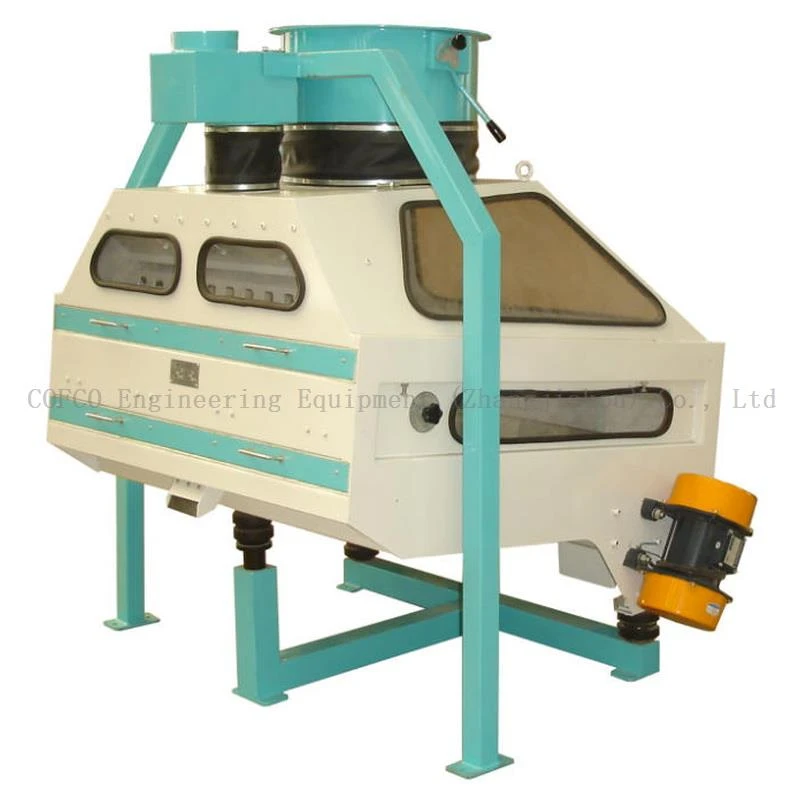
Hey there! I’m a supplier of commercial grain mills, and I know how important it is to keep these machines in top – notch condition. A clean grain mill not only performs better but also ensures the quality of the grains you’re processing. So, let’s dive into how to clean a commercial grain mill. Commercial Grain Mill
Pre – Clean Preparation
Before you start the actual cleaning process, there are a few things you gotta do. First off, make sure the mill is turned off and unplugged. Safety first, right? You don’t want the machine to suddenly come to life while you’re elbow – deep in it.
Next, gather your cleaning supplies. You’ll need a soft – bristle brush, a vacuum cleaner with a narrow nozzle attachment, some food – grade lubricant, and a mild, non – abrasive cleaner. The soft – bristle brush is gonna help you get into all those nooks and crannies, while the vacuum cleaner will suck up any loose grain particles. The food – grade lubricant is for later, to keep the moving parts running smooth, and the mild cleaner is to get rid of any stubborn dirt.
Removing Loose Grain and Debris
The first step in cleaning the commercial grain mill is to get rid of all the loose grain and debris. Start by using the vacuum cleaner with that narrow nozzle attachment. Go over the exterior of the mill, getting rid of any dust or grains that might have settled on the surface.
Then, open up the hopper, which is where you put the grains in. Vacuum the inside of the hopper thoroughly. You’ll be surprised at how much grain can get stuck in there. Make sure to go along the sides and into the corners.
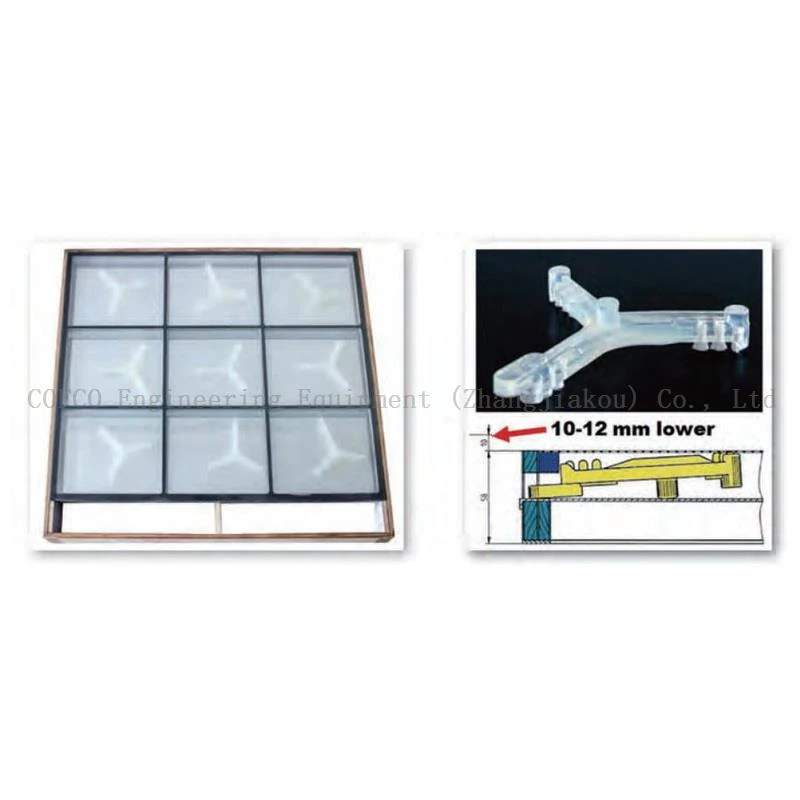
Now, remove the screens and sieves. These are usually easy to take out, just look for the tabs or clips that hold them in place. Once they’re out, use the soft – bristle brush to gently brush off any grain particles that are stuck on them. You can also use the vacuum cleaner to suck up the loosened debris.
Cleaning the Grinding Mechanism
The grinding mechanism is the heart of the grain mill, and it needs some extra love. First, take a look at the grinding stones or burrs. If you can access them easily, use the soft – bristle brush to brush away any grain residue. Be gentle, though, you don’t want to damage the grinding surface.
For more stubborn dirt, you can use a bit of the mild cleaner. Dampen a cloth with the cleaner and carefully wipe the grinding stones. Make sure to wring out the cloth well so that no excess liquid gets into the mill. Let the stones dry completely before reassembling.
After cleaning the grinding stones, check the gears and other moving parts. Use the vacuum cleaner to remove any dust or debris from these areas. If you notice any parts that seem to be sticking or not moving smoothly, that’s when you use the food – grade lubricant. Just a small amount on the moving parts will do the trick.
Cleaning the Feed and Discharge Systems
The feed and discharge systems are where the grains go in and out of the mill. The feed chute, which leads from the hopper to the grinding mechanism, can get clogged with grain. Use the soft – bristle brush and the vacuum cleaner to clean it out. Make sure there are no blockages and that the grains can flow freely.
The discharge chute, where the ground flour comes out, can also accumulate dust and flour. Clean it with the same method as the feed chute. If there are any parts that are removable, like the flaps or guides, take them out and clean them separately.
Cleaning the Exterior
Don’t forget about the exterior of the grain mill. Wipe it down with a damp cloth using the mild cleaner. Pay attention to the control panels and buttons. You don’t want any dirt or moisture getting into the electrical components.
After wiping, dry the exterior with a clean, dry cloth. This will prevent rust and corrosion, especially if your mill is made of metal.
Reassembling and Testing
Once everything is clean and dry, it’s time to reassemble the mill. Put the screens and sieves back in place, making sure they’re properly seated. Reattach any removable parts that you took out during the cleaning process.
Before you start using the mill again, it’s a good idea to do a test run. Turn the mill on for a short period without any grains. Listen for any strange noises or vibrations. If everything sounds normal, you’re good to go.
Regular Maintenance
Cleaning your commercial grain mill is not a one – time thing. You should have a regular maintenance schedule. For light use, cleaning once a week might be enough. But if you’re using the mill every day, you might need to clean it more often.
Inspect the mill regularly for any signs of wear and tear. Check the belts, the gears, and the grinding stones. Replace any parts that are worn out to keep the mill running efficiently.
Why Cleanliness Matters
A clean commercial grain mill is crucial for several reasons. First of all, it ensures the quality of the flour or meal you’re producing. If there’s old grain residue in the mill, it can contaminate the new batch and affect the taste and texture of the final product.
Secondly, a clean mill is more efficient. When the moving parts are clean and well – lubricated, they can operate smoothly, reducing the risk of breakdowns and increasing the lifespan of the machine.
Finally, from a safety perspective, a clean mill is less likely to have fire hazards. Grain dust can be flammable, and by keeping the mill clean, you’re reducing the amount of dust that can accumulate and potentially cause a fire.
Flour Mill Service Equipment If you’re in the market for a new commercial grain mill or looking to upgrade your existing one, I’m here to help. I’ve spent years in the business, and I know these machines inside out. I can offer you the best advice on choosing the right mill for your needs, and I’ll make sure you get a quality product at a competitive price. Whether you’re a small – scale bakery or a large – scale food processing plant, I’ve got a solution for you. So, if you’re interested, don’t hesitate to reach out and start a conversation about your commercial grain mill needs.
References
- "Grain Processing Equipment Handbook": A comprehensive guide on commercial grain mills and their maintenance.
- Industry best – practice guidelines from the commercial food processing associations, which cover cleaning and maintenance of grain – related machinery.
- Personal experience and knowledge gained from years of working as a commercial grain mill supplier.
COFCO Engineering Equipment (Zhangjiakou) Co., Ltd.
As one of the most professional commercial grain mill manufacturers and suppliers in China, we also support customized service. Please feel free to wholesale advanced commercial grain mill for sale here from our factory. Quality products and reasonable price are available.
Address: No.4 ZhongLiang Street, high-tech industrial development zone, Zhangjiakou, Hebei, PRC
E-mail: mayihui@cofco.com
WebSite: https://www.ceeflourmill.com/
