When I first started working as an aluminum coil supplier, I assumed that the metal’s natural silver sheen would be enough to meet customer needs. Early on, I’d get calls from folks asking for plain, uncoated coils for things like HVAC ducts or structural parts, and we’d ship them out without giving much thought to surface treatment. But over the years, I’ve learned that surface treatment isn’t just a “nice-to-have” for aluminum coils—it’s one of the biggest factors shaping how your final product looks, and how it performs once it’s installed. Today, I want to walk you through what I’ve picked up about that impact, straight from the shop floor and from talking to dozens of our clients who’ve seen both ends of the spectrum. Aluminum Coil
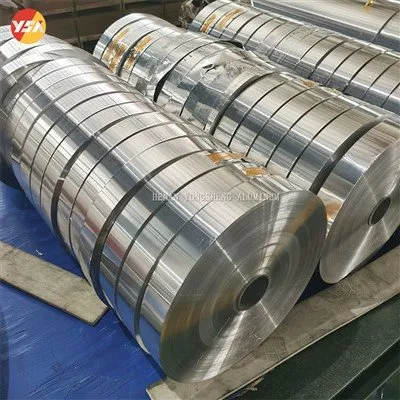
First, let’s get clear on what surface treatment means for aluminum coils. Unlike the raw mill finish that comes right from the rolling mill—thin, slightly rough, with a consistent silver-gray tone—surface treatment covers any process we do after rolling to alter the coil’s outer layer. This includes basics like cleaning and leveling, but also things like anodizing, powder coating, painting, and even mechanical finishing like brushing or polishing. For suppliers like me, these aren’t just production steps; they’re tools we use to match a client’s exact appearance goals, whether that’s a sleek, matte facade for a commercial building or a bright, reflective surface for a kitchen appliance.
Let’s start with the most immediate impact: appearance consistency. Raw aluminum, even when it’s from the same batch, can have tiny variations in tone—something you might not notice in a single sheet, but when you’re installing 100+ square feet of aluminum panels for a wall, those differences stand out like a sore thumb. A few years back, we had a client who ordered raw coils for a retail storefront. By the time the contractor finished installing all the panels, they were calling us frustrated: some sections looked faintly blue, others slightly warm gray, and the whole facade had a patchy, unpolished look that didn’t match the architect’s renderings. That’s when we realized how crucial cleaning and pre-treatment are before any finishing step. When we add a pre-treatment—like a chemical phosphate or chromate wash—we remove oils, mill scale, and tiny surface imperfections that cause those tone variations. Now, every coil leaves our shop with a uniform base, so when it’s finished, the final color or texture is consistent across every part.
Mechanical finishing is another big area that changes how aluminum coils look. Brushing, for example, is a process where we use fine abrasive brushes to create a linear texture on the surface. I’ve seen clients choose brushed aluminum for everything from elevator cabs to kitchen backsplashes because it has a subtle, warm metallic look that doesn’t show fingerprints as easily as a polished surface. Polishing, on the other hand, uses progressively finer abrasives to create a mirror-like finish—great for things like decorative trim or outdoor signage that needs to catch light. But here’s a thing I’ve learned: the quality of mechanical finishing depends entirely on the coil’s initial thickness and flatness. Thin coils, for example, can warp during brushing, leading to an uneven texture. That’s why as a supplier, we make sure we only offer mechanical finishing on coils that are within our specified thickness tolerances—otherwise, the appearance defects end up costing our clients time and money later.
Then there’s coating, which is where the biggest aesthetic changes happen. Powder coating, in particular, has exploded in popularity over the past decade, and it’s easy to see why. Unlike liquid paint, which can run or leave uneven layers, powder coating is applied as a dry powder that’s electrostatically charged, then baked onto the coil. The result is a thick, durable finish that comes in virtually every color under the sun—from bright whites and deep blacks to muted earth tones that match modern architectural designs. But the surface treatment before coating matters here too. If the coil’s surface isn’t properly prepped, the powder can chip, fade, or peel over time, ruining the uniform color. We once had a client who tried a cheaper supplier for a batch of powder-coated coils for a residential deck. Within two years, the paint was flaking off in spots, revealing the dull silver aluminum underneath. That’s because the cheap supplier skipped a critical conversion coating step, which is what bonds the powder to the metal. Now, as a supplier, we make sure every coil going out for powder coating gets that conversion treatment, so the finish stays smooth, consistent, and long-lasting.
Anodizing is another surface treatment that’s all about appearance, plus extra durability. Anodizing creates a porous oxide layer on the aluminum surface, which we can then seal to add color. The great thing about anodized finishes is that they’re naturally corrosion-resistant, so they don’t fade or scratch as easily as painted finishes. But the color range is a little different—you can get metallic tones, bronze, black, and even soft pastels, though they’re not as bright as powder coating colors. I’ve worked with a lot of architects who prefer anodizing for commercial building facades because the finish looks natural, not artificial. One client, a construction firm, used anodized aluminum coils for a museum’s exterior; they wanted a look that would age gracefully, developing a subtle patina over time instead of fading. Anodizing lets that happen, while still keeping the surface uniform.
Now, let’s talk about a less obvious impact: how surface treatment affects light reflection and texture. Raw aluminum has a high reflectivity, but it’s diffuse—meaning it scatters light in all directions, giving it that soft, matte silver look. Polished aluminum, by contrast, is highly specular, reflecting light clearly like a mirror. That makes it perfect for things like solar reflectors or decorative elements that need to catch attention. But here’s a catch: too much reflectivity can be a problem for some applications. We had a client who used raw aluminum coils for a bank’s interior lobby; the bright reflection was glare that made it hard to read digital screens on teller desks. The solution? We sent the coils through a dulling treatment, which reduces reflectivity to a soft, non-glare surface. It’s a small change, but it completely transformed the appearance of the space, making it functional and comfortable for customers.
Texture is another part of appearance that surface treatment controls. Beyond brushing and polishing, there’s embossing—where we press a pattern into the coil’s surface using rollers. Embossed aluminum is used for things like ceiling tiles, wall panels, and even appliance exteriors, because it adds depth and hides small surface imperfections. I remember a client in the automotive industry who used embossed coils for car door panels; the subtle pattern on the surface masked any tiny scratches that might occur during assembly, and it also gave the interior a more premium look without the cost of a polished finish. The key here is choosing the right embossing pattern for the application—too bold, and it can look dated; too subtle, and it doesn’t serve the purpose.
Of course, none of this is just about looks—appearance ties directly to performance, too. A lot of clients don’t realize that a surface treatment that looks great can also protect the coil from corrosion, which affects how it looks over time. For example, outdoor aluminum coils are exposed to rain, snow, and UV rays, so a powder-coated or anodized finish doesn’t just look good—it prevents the metal from oxidizing and turning dull or chalky. We once had a client who installed uncoated aluminum coils for a storefront in a coastal area, where salt air is common. Within three years, the surface had developed white corrosion spots that ruined the uniform look. Now, they only work with us for treated coils, because the extra surface work keeps the facade looking new for decades.
As a supplier, I’ve seen firsthand how choosing the right surface treatment can make or break a project. A few months ago, a small business owner came to us looking for aluminum coils to make custom signboards for their new coffee shop. They wanted a matte black finish, not the glossy look of a typical printed sign. We recommended powder coating with a matte finish, and also did a light brushing to add a subtle texture that would make the sign stand out without being too flashy. When they installed it, they told us it was the best decision they’d made—customers kept commenting on how the sign looked “warm and professional,” not like a generic store sign. That’s the difference surface treatment makes: turning a plain metal coil into a part of a brand’s identity.
I should also mention that not all surface treatments are right for every application. For example, if you’re making a product that needs to be folded or formed after coating, powder coating might not be the best choice—because it can crack when bent. In that case, a liquid paint or anodizing is better, since they have more flexibility. As a supplier, we take the time to talk through a client’s needs: what’s the final product, where will it be used, what kind of appearance do they want, and how will it be installed? We don’t just sell a coil—we recommend the right surface treatment to get the result they’re after.
Another thing that’s important is consistency across large orders. When you’re ordering thousands of square feet of aluminum coils for a housing development or a retail chain, every panel has to look exactly the same. We have a quality control process that checks every coil after surface treatment to make sure the color, texture, and finish match the specifications. Last year, we had a client with 500 homes using our aluminum coil siding; we sent a sample board with their chosen color, and we matched every batch to that sample. There were no complaints about mismatched panels, which saved them time and money on installation and repairs.
I know that for a lot of people, surface treatment can seem like a technical detail that’s easy to overlook. But after 15 years in this business, I can tell you: it’s the detail that makes all the difference. Whether you’re a architect designing a building, a small business owner making signs, or a manufacturer creating appliances, the way your aluminum coil looks starts with how we treat its surface. It’s not just about making it pretty—it’s about making it fit your vision, perform well, and last.

If you’re working on a project where the appearance of aluminum coils matters, we’re here to help. We’ve worked with everything from small custom jobs to large-scale commercial projects, and we have the experience to recommend the right surface treatment for your needs. Reach out to us to discuss your project, and we’ll walk you through the options to make sure you get the exact look and performance you’re after.
PE Coating Aluminum Foil References
- ASM International. (2020). Surface Treatment of Aluminum Alloys for Aesthetic and Functional Applications. ASM Handbook, Volume 5: Surface Engineering.
- European Aluminum Association. (2021). Aluminum Surface Finishing: A Guide for Architects and Designers.
- The American Coatings Association. (2019). Powder Coating for Metal Substrates: Appearance and Durability.
- Industrial Metal Finishing Association. (2022). Mechanical Finishing Processes for Aluminum Coils: Best Practices.
- Nace International. (2020). Corrosion Resistance of Treated Aluminum for Exterior Applications.
Henan Yongsheng Aluminum Industry Co., Ltd.
We are one of the most reliable aluminum coil manufacturers and suppliers in China. With abundant experience, we warmly welcome you to buy high-grade aluminum coil for sale here from our factory. All custom made products are with high quality and competitive price.
Address: Gongyi City Industrial Cluster District, Huiguo Town, Gongyi City, Henan Province
E-mail: eric@ysaluminum.cn
WebSite: https://www.ysaluminummill.com/
