If you’ve ever shopped for sofas, you’ve probably heard people throw around “PU sofa” like it’s a dirty word lately. I get it—there’s so much noise online about “fake leather” being toxic or falling apart fast, and as someone who’s been in the PU sofa supply game for over 7 years, I field at least three questions a week from prospective buyers about safety concerns. Let’s cut through the clickbait, skip the jargon, and talk real stuff: what actually makes PU sofas safe, what’s overblown, and what you should actually watch for when buying (or sourcing) these. PU Sofa
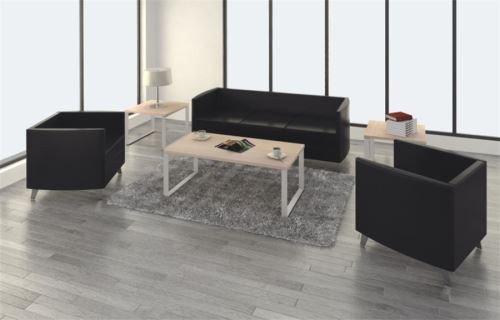
First, let’s get one thing straight: PU stands for Polyurethane, and it’s been around longer than most people think. You use it every single day—your mattress has PU foam, your sneakers’ soles have it, even the water bottle you keep by your bed has a thin PU lining to keep leaks out. The confusion comes because PU sofa material is not a single product; it’s a mix of polyurethane base, colorants, plasticizers, and sometimes a thin top coat. Back in the early 2000s, a lot of budget manufacturers cut corners on low-quality ingredients, and that’s where the horror stories started. But that was never PU itself—that was bad manufacturing.
Let’s tackle the big safety concern first: chemical off-gassing, or what people call “new sofa smell.” I won’t lie—when you first unbox a brand new PU sofa, it might have a faint, mild odor, especially if it’s been sitting in a warehouse or shipping container for weeks. That smell is mostly from the solvents used in the finishing process evaporating, and it’s not inherently toxic. But here’s the catch: cheap, unregulated PU sofas use cheap solvents and plasticizers that can off-gas volatile organic compounds (VOCs) at higher levels, sometimes for months or longer.
What are those VOCs? Things like formaldehyde, phthalates, and heavy metals (like lead or cadmium). The good news is that most countries have strict standards for what’s allowed in furniture these days. In the US, it’s the Cal 117 flammability standard and the TSCA (Toxic Substances Control Act) updates; in the EU, it’s REACH regulations that ban over 10,000 harmful chemicals in consumer goods. The problem is that not all manufacturers play by the rules. A lot of overseas suppliers cut corners to undercut prices, so if you’re buying a super cheap PU sofa that no one’s tested, you might end up with higher VOC levels.
But here’s the thing I tell every buyer I work with: reputable suppliers don’t skip testing. For our part, every batch of PU sofa material we source gets third-party tested for VOC emissions, formaldehyde, and phthalates. We use water-based solvents instead of harsh chemical ones, which cut off-gassing way down—most of our customers say the smell is gone within 24-48 hours of bringing the sofa home, if they notice it at all. We also avoid any phthalates that are banned for use in furniture, and we test every lot for heavy metals to make sure it’s well below the safety limits.
Another common question I get: is PU sofa material flammable? That’s a big one, especially for families with kids or pets. Old PU sofas (again, the bad ones) used to be highly flammable because they had no flame retardants, or they used flame retardants that were toxic (like PBDEs, which were phased out years ago). Modern PU sofas, however, meet strict flammability standards without using those toxic flame retardants. We use a proprietary flame-resistant PU blend that’s tested to pass Cal 117 and other global standards without any harmful additives. I’ve had customers tell me they accidentally set a match on the edge of a test sample (don’t try that at home, by the way) and it only smoldered a little before going out—no big fireball, no toxic fumes.
Wait, what about skin allergies? I’ve heard people say PU sofas cause rashes or skin irritation. That’s actually super rare, and it’s almost always from low-quality PU that has residual unreacted chemicals or colorants that aren’t properly cured. Real leather has similar issues for some people, actually, because of the tanning chemicals used in processing. Good PU sofa material, though, is fully cured before it leaves the factory, so there’s no leftover chemicals to irritate skin. We also use hypoallergenic colorants that don’t fade or rub off onto clothes, so you don’t end up with blue or red stains on your shirts after sitting on it. I’ve had customers with sensitive skin use our sofas for years without any issues, so that’s a relief.
Now, let’s talk about what’s not a safety concern, but people act like it is. A lot of blog posts will say “PU is fake leather so it’s unsafe,” but that’s just marketing. PU is a durable, synthetic material that’s actually more stain-resistant than real leather—you can spill coffee or wine on it and wipe it right up with a damp cloth, no stains. Real leather can get ruined if you don’t condition it, and it can also develop mold if it’s not kept dry, but PU resists mold and mildew way better because it’s non-porous. And for people who care about animal welfare, PU is a great alternative to real leather—no animals are harmed, and it uses way less water and energy to manufacture than leather.
But wait, I’m not here to say PU sofas are 100% perfect, because they’re not. There are still safety issues to watch out for, especially if you’re buying from a no-name supplier online. First, always ask for test certificates. A reputable supplier will send you a copy of their third-party test results for VOCs, formaldehyde, and flammability—if they hesitate or refuse, walk away. Second, avoid ultra-low prices. If you find a PU sofa for $200 that would normally cost $800, it’s almost definitely made with cheap, untested materials. Third, check the warranty. A company that stands behind their product will offer a 5-10 year warranty on their PU sofa’s material and frame, which means they’re confident it’s safe and durable.
Let me also address a common myth: “PU sofas off-gas toxic fumes that make you sick.” For most people, that’s not true. The level of VOCs in a well-made, tested PU sofa is way below the safety limits set by environmental agencies. You’d be exposed to more VOCs from cleaning products, air fresheners, or even paint in your home than from a good PU sofa. The only time you might have an issue is if you have a pre-existing condition like asthma or chemical sensitivities—even then, a water-based, low-VOC PU sofa should be fine, but we always recommend air out the space for a couple days before bringing it inside if you’re extra sensitive.
As a supplier, I’m not here to sell you on PU sofas as the only option. If you prefer real leather or fabric, that’s totally fine. But I want people to stop shying away from PU because of old, outdated bad practices. Modern PU is a safe, affordable, durable option for millions of people, as long as you source it from a reputable supplier who cares about safety, not just making a quick buck.

So, if you’re a retailer, interior designer, or even a homeowner looking to source PU sofas and want to make sure you’re getting a safe product, don’t fall for the hype or the cheap prices. Ask questions, demand test results, and work with someone who’s been in the game long enough to know what they’re doing. We’ve been supplying PU sofas to small boutiques and big furniture chains across North America and Europe for years, and all our products pass strict safety tests, have minimal off-gassing, and come with a warranty you can trust.
Cashmere Sofa If you’re ready to chat about your needs—whether you need a bulk order for your store, a custom design for a client, or just want samples to test for safety—hit us up. We can send you full test certificates, samples, and answer any other questions you have about PU sofa safety, durability, or anything else. Don’t let old myths scare you away from a great, affordable sofa that fits your budget and your values.
References
- U.S. Consumer Product Safety Commission. “Volatile Organic Compounds in Furniture and Building Materials.” 2022.
- European Chemical Agency (ECHA). “REACH Regulation: Restrictions on Substances of Very High Concern.” 2023.
- Californina Department of Consumer Affairs. “Technical Bulletin 117: Flammability Requirements for Upholstered Furniture.” 2021.
- American Academy of Allergy, Asthma & Immunology. “Allergens in Furniture: Common Triggers and Solutions.” 2022.
Hangzhou Workraum Space Co., Ltd.
Hangzhou Workraum Space Co., Ltd. is known as one of the most professional pu sofa manufacturers and suppliers in China. Welcome to wholesale custom made pu sofa at competitive price from our factory. Good service and quality products are available.
Address: No109,Shunda Road.Yangshuwan Luoshe Town, Deqing Huzhou City Zhejiang, China
E-mail: maya@gevanco.com
WebSite: https://www.gevancofurniture.com/
