If you’ve ever stood behind the counter of an auto parts shop, or fielded a frantic call from a fleet manager at 7 a.m. about a blind spot collision, you’ll know the functional rearview mirror is more than a small glass panel bolted to a car’s interior. It’s a lifeline for drivers—whether they’re navigating a school drop-off line, reversing a 12-ton delivery van, or merging onto a busy highway. For years, I’ve supplied functional rearview mirrors to auto repair shops, commercial fleets, and even custom car builders, and one question comes up more than any other: “Does my functional rearview mirror actually need maintenance?” Functional Rearview Mirror
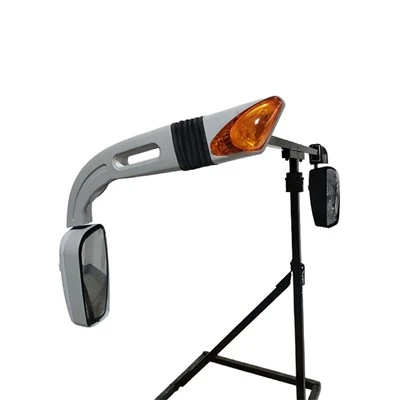
Let me cut through the noise. Most people treat their rearview mirror like a set-it-and-forget-it accessory. But that’s a mistake. Even a mirror that looks perfectly fine from the driver’s seat can develop hidden issues that erode safety over time. Over the past 18 years in this business, I’ve seen far too many avoidable accidents traced back to neglected rearview mirrors: a loose mount that slipped at 60 mph, a fogged electrochromic (auto-dimming) layer that blinded a driver at night, a cracked glass chip that expanded into a full break during a summer heatwave. Today, I’m breaking down what maintenance your functional rearview mirror actually needs, when to schedule checks, and why cutting corners here could cost you more than a few dollars in parts.
First, let’s clarify what a “functional rearview mirror” entails, because not all mirrors are created equal. A basic manual rearview mirror, common in older vehicles and economy cars, is simple: a glass pane glued to a bracket, connected to a small lever to flip between day and night modes. But modern functional mirrors—especially the ones I supply to commercial fleets and new vehicle builds—add layers: electrochromic dimming sensors that detect headlight glare, heating elements to defrost in cold climates, wide-angle glass to reduce blind spots, and even integrated blind-spot monitoring cameras that feed directly into the mirror display. These features make the mirror more useful, but they also mean it requires more upkeep than a simple glass panel.
So, what counts as proper maintenance for a functional rearview mirror? Let’s start with the most obvious, and most overlooked, step: regular visual and physical checks. Most drivers only adjust their mirror once, when they first get a new car, and rarely touch it again. But over weeks, that small adjustment bracket can loosen. The vibration from rough roads, daily stops at stop signs, even the act of reaching for a water bottle can shift the mirror’s angle. One recent client, a small delivery company in suburban Ohio, told me their drivers kept complaining about “blind spots” when reversing. We pulled their van mirrors off, and every single one was tilted so far downward that drivers couldn’t see the side of the cargo bay. No glass was broken, no electronics were faulty—just a loose mount that had shifted over 10,000 miles. That’s not a defect in the mirror; that’s neglect.
I recommend a physical check every three months, or every oil change—whichever comes first. Here’s how to do it right: Sit in your driver’s seat, rest your head in your normal driving position, and adjust the mirror so the top of the rear window sits just at the top edge of the glass. Then, tap the mirror gently with your finger. If it moves more than a fraction of an inch, the bracket is loose, and it needs tightening. For manual mirrors, this usually takes a small hex key; for newer electronic mirrors, you’ll want to consult your vehicle’s manual to avoid damaging the wiring or sensor connections.
Next, glass care. I know, I know—you’ve heard “don’t use ammonia on glass” a hundred times. But for functional rearview mirrors, this rule is non-negotiable. Ammonia-based cleaners can strip the special coatings on the mirror: the anti-glare layer, the electrochromic dimming coating, and (in cold climates) the defrost heating element. A client of mine based in Minnesota tried using a store-bought ammonia window cleaner on his auto-dimming mirrors last winter, and within a month, the dimming function stopped working. The cleaner had eaten through the coating that activates when sensors detect bright light. That repair cost him $180 for a new mirror—far more than the price of a proper cleaner.
The right way to clean your mirror: Use a microfiber cloth and a mild, glass-specific cleaner (look for ones labeled “safe for electrochromic surfaces”). Avoid paper towels, which can scratch the glass, and never use razor blades to remove road grime—those tiny nicks turn into cracks fast when exposed to temperature changes. If you notice small chips or scratches on the glass, don’t ignore them. Even a 1mm chip might seem harmless, but when the sun heats the glass in the summer, or cold causes contraction in the winter, that chip can spread into a full crack. For functional mirrors with integrated sensors, a crack can also interfere with the sensor’s ability to detect glare, putting you at risk of night-time blindness. If you spot a chip smaller than a dime, you can sometimes have it repaired for $20 to $30, but if it’s larger, replacement is the only safe option.
Now, let’s talk about electronic functional mirrors—those fancy ones with auto-dimming, blind-spot displays, or heating elements. These are the ones that get the most abuse, because their hidden parts are easy to neglect. I recently supplied a fleet of 20 semi-trucks with new electrochromic mirrors, and within six months, three of them had stopped dimming. When we pulled the mirrors to inspect, we found the wiring connections had corroded from exposure to road salt and rain. The drivers had never checked the electrical connectors, which are tucked behind the mirror mount and vulnerable to dirt and moisture. For electronic mirrors, I recommend a quarterly check that includes gently inspecting the wiring connections. If you see frayed wires or signs of corrosion, you can clean the connections with a small amount of electrical contact cleaner—just make sure the mirror is disconnected from the vehicle’s power first.
Another issue with electronic mirrors: sensor blockage. The auto-dimming feature relies on two small sensors: one on the front of the mirror that measures ambient light, and one on the back that detects glare from headlights behind you. If these sensors get covered with dust, bugs, or snow, the dimming function won’t work properly. In snowy areas, I always tell drivers to clear the sensor covers before heading out on a winter morning. It takes 10 seconds, and it prevents you from being blinded by a semi’s headlights on a dark, icy highway.
What about when you should replace a functional rearview mirror, not just maintain it? Let’s get specific. If the glass is cracked or chipped beyond a small repair, replacement is non-negotiable. If the electronic features (auto-dimming, heating, blind-spot display) stop working, don’t try to cobble them together with tape or a temporary fix. I’ve had clients who tried that, only to have the mirror fail mid-trip, leading to an accident that cost thousands in vehicle damage and liability. Functional rearview mirrors are a safety component, not a convenience item—so any failure here needs immediate attention.
One common question I get from new customers: “Is a functional rearview mirror the same as a standard mirror?” No, it’s not. A standard mirror is designed just to show you what’s behind you. A functional rearview mirror is engineered to work with your vehicle’s safety systems—so its maintenance is tied directly to those systems. For example, a blind-spot monitoring mirror uses a camera integrated into the mirror housing, so if the housing is loose or cracked, the camera’s alignment will be off, leading to false alerts or missed blind spots. That’s why maintenance for functional mirrors isn’t just about the glass—it’s about the entire assembly.
Let me share a customer story that drives this home. Last year, a family-owned auto repair shop in Texas reached out to me after a customer crashed their pickup into a pole. The driver blamed the mirror: he said he couldn’t see the pole because the mirror was fogged. When we inspected the mirror, we found a build-up of road grime on the defrost heating element, which had burned out the night before the crash. The driver had never cleaned the mirror, so he didn’t know the defrost was broken. He’d been relying on the mirror’s day mode, but it was too fogged to see clearly. A $15 annual check and clean could have prevented that accident.
So, to circle back to the original question: Does a functional rearview mirror require maintenance? The short answer is yes—and skipping that maintenance is a risk you can’t afford. It’s not just about cleaning the glass or tightening the bracket; it’s about inspecting the electronic components, checking for corrosion, clearing sensors, and addressing small issues before they become big, expensive safety hazards.
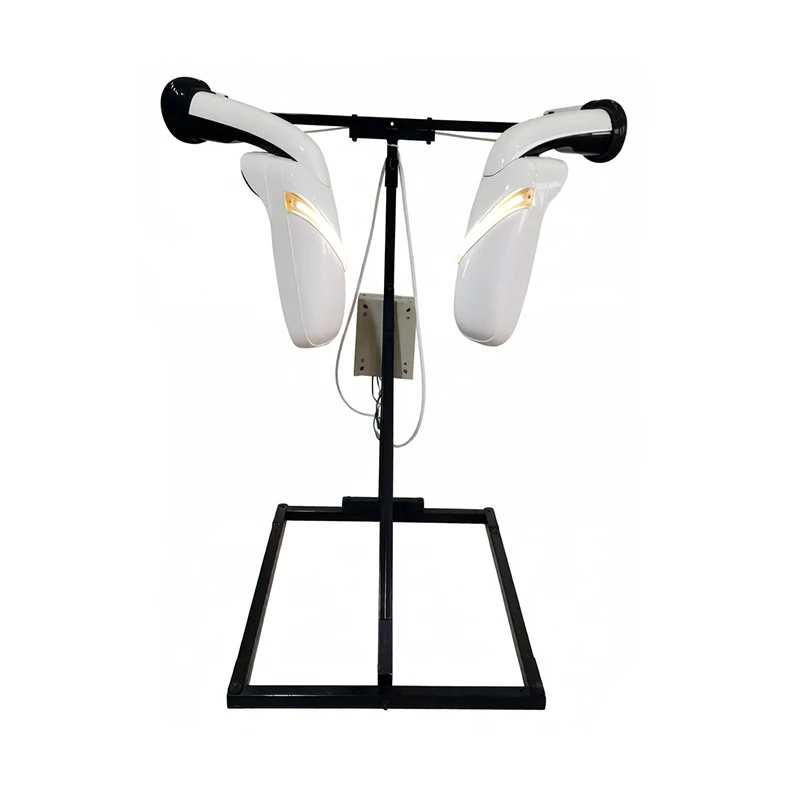
If you’re in the market for high-quality functional rearview mirrors, whether for your personal vehicle, fleet, or auto repair shop, our team has 18 years of experience supplying durable, safety-tested mirrors that stand up to daily use. We work with commercial fleets, custom car builders, and individual drivers, and we’re here to help you choose the right mirror for your needs, plus offer maintenance tips tailored to your vehicle’s model. To talk through your requirements and get a quote, reach out to our team today.
Functional Rearview Mirror References
- National Highway Traffic Safety Administration (NHTSA). “Rearview Mirror Safety Guidelines.” Federal Motor Vehicle Safety Standards, 2022.
- Society of Automotive Engineers (SAE). “Electrochromic Mirror Design and Maintenance Standards.” SAE International Journal of Passenger Cars – Mechanical Systems, 2021.
- Automotive Aftermarket Suppliers Association (AASA). “Safety Component Maintenance Best Practices for Light and Heavy-Duty Vehicles,” 2023.
- Texas Department of Transportation. “Winter Vehicle Maintenance: Rearview Mirror Care for Cold Climates,” 2022.
Shanghai Xinmao Automotive Technology Co., Ltd.
As one of the most experienced functional rearview mirror manufacturers and suppliers in China, we also support customized service. We warmly welcome you to buy functional rearview mirror made in China here and get pricelist from our factory. For price consultation, contact us.
Address: No.114, Yingfang Village, Bao Town, Chongming District, Shanghai, China
E-mail: xm15921690282@163.com
WebSite: https://www.xinmaoauto.com/
