If you’ve ever watched an endoscopic procedure—say, a colonoscopy or a gastroscopy—you might’ve noticed the thin, flexible tubes being threaded through a patient’s body with precise, unhurried care. Those tubes? They’re endoscopic cannulas, and their safe use isn’t just a matter of following steps; it’s a blend of specialized training, up-to-date equipment knowledge, and strict adherence to clinical guidelines. As someone who’s spent over a decade supplying these tools to hospitals and surgical centers, I’ve seen firsthand how small gaps in understanding can lead to big issues. Today, I want to break down exactly what our medical partners need to operate endoscopic cannulas safely and effectively—no jargon, just the real-world insight I’ve gained on the supply side. Endoscopic Cannulas
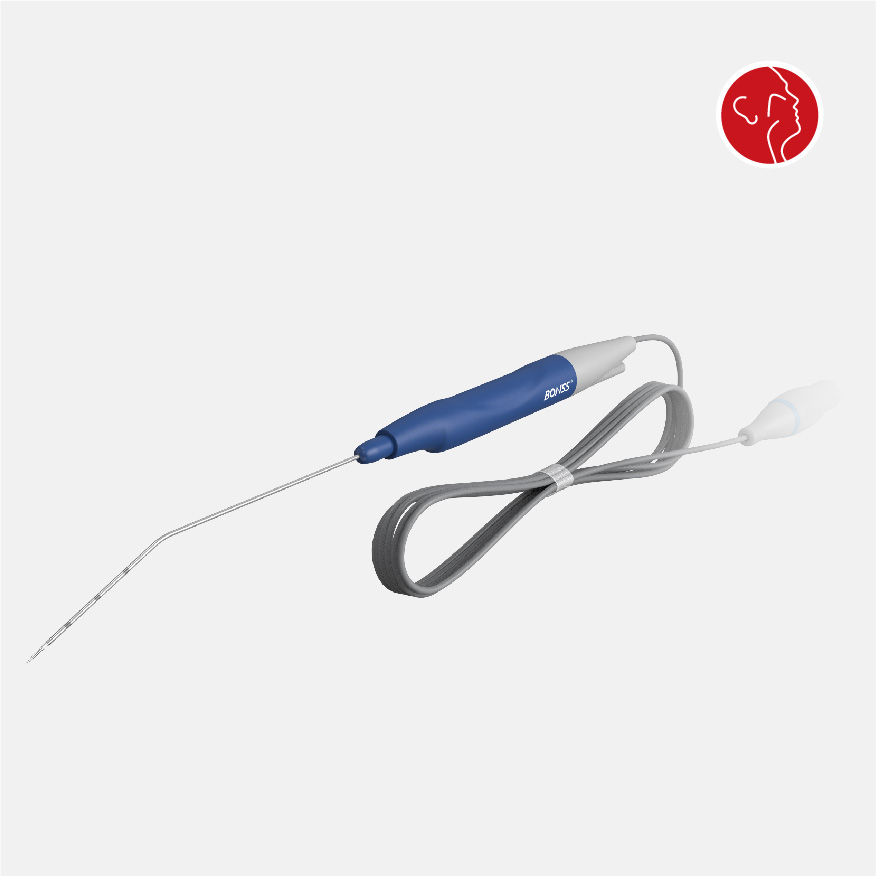
First, let’s get one thing straight: endoscopic cannulas aren’t just “extra tools” for procedures. They’re used for everything from delivering medication directly to a lesion, draining fluid buildup, to guiding other devices (like biopsy forceps) through the endoscope’s working channel. So, the person handling them can’t just be a general doctor—they need targeted training in endoscopic procedures, specifically those involving cannula use. I’ve talked to dozens of surgeons who tell me their earliest mistakes with cannulas came from skipping that specialized training: things like kinking the tube mid-procedure, misjudging how much force to use when advancing it, or failing to recognize when the cannula’s tip is pressing too hard against tissue. The key here is that training shouldn’t be a one-time workshop. The field evolves fast—new cannula designs, new techniques for minimally invasive procedures, even updated safety protocols. Our team at the supply company often works with medical facilities to host refreshers, because we know that even seasoned practitioners need to stay sharp on the nuances of using the tools we provide.
Next, hands-on experience can’t be replaced. I’ve noticed that new clinicians who only train on simulators often struggle in real patients. Simulators are great for basics—like inserting a cannula through an endoscope’s channel—but they don’t replicate the “feel” of navigating around a tight colon fold, or the way a patient’s tissue might shift slightly during a procedure. That’s why most accrediting bodies (like the American Board of Internal Medicine) require clinicians to complete a set number of supervised endoscopic cases before they work independently. For cannulas specifically, that means hours working with more experienced colleagues, practicing on animal models if needed, and building that muscle memory of how the cannula moves. I remember a young gastroenterologist who reached out to our supply team last year, saying he’d just finished his fellowship but was nervous about using cannulas on his first solo cases. We connected him with a mentor at a nearby hospital, and later he told me that supervised sessions with hands-on use of our cannulas made all the difference.
Then there’s the matter of understanding the cannula itself—and not just which size to pick. As a supplier, we get constant questions from clinicians about how a cannula’s material, length, and tip design affect use. For example, a flexible-tip cannula is better for navigating delicate esophageal tissue, while a rigid-tip cannula is needed for pushing through thick, scarred areas. If a clinician doesn’t take the time to learn these differences, they’re at higher risk of complications like tissue tearing or perforation. That’s why our supply team doesn’t just ship cannulas—we include a detailed guide for each product, and we’re always available to walk a clinical team through a specific cannula’s features. I’ve had surgeons tell me they used a cannula that wasn’t the right fit for a case, and that led to a redo procedure. It’s avoidable, and it all comes down to knowing your tool.
Sterility and infection control are non-negotiable too, and this is an area where I’ve seen even experienced teams slip up. Endoscopic cannulas are single-use (for the most part—some are reusable, but only if reprocessed correctly), and improper cleaning or storage can lead to hospital-acquired infections. As a supplier, we emphasize to every customer that reusable cannulas must follow strict reprocessing guidelines: enzymatic cleaning, high-level disinfection, and sterilization, depending on the device’s classification. Single-use cannulas can’t be reprocessed at all—any attempt to do so damages the material and increases infection risk. Last year, we had a clinic reach out because they thought they could reuse a cannula for a second case; we sent over a reminder of our product’s reprocessing rules, and later they thanked us for preventing a potential outbreak. It’s a responsibility that falls on both the supply side and the clinical side—we provide clear guidelines, and they follow them.
Communication skills also play a big role, especially during procedures where multiple team members are involved. The person inserting the endoscope isn’t always the one handling the cannula—so they need to be able to clearly signal when to advance, when to pause, or when to adjust pressure. I remember a surgical team that had a miscommunication: the endoscopist thought the cannula handler was waiting for a signal, and the handler thought the endoscopist was ready, resulting in a small tear in the patient’s stomach. Since then, our supply team has started including a quick checklist in our product packets that outlines communication best practices for cannula use, and it’s made a noticeable difference in how teams work together.
Don’t forget about emergency preparedness. Even with all the training and experience, complications can happen. A cannula might kink, or a patient might have an unexpected reaction to the medication being delivered through it. So, the medical team needs to know exactly how to respond when things go wrong. That means having emergency equipment nearby—like tools to retrieve a stuck cannula, or medication to stop bleeding if tissue is irritated. As a supplier, we make sure our cannulas come with clear instructions for handling common emergencies, and we keep a stock of replacement cannulas ready for fast shipping if a procedure is interrupted. I once got a call at 2 a.m. from a hospital that had a cannula stuck in a patient’s colon; we got a replacement to them in 45 minutes, and the procedure went on without a hitch. That’s the kind of support we pride ourselves on.
Now, let’s talk about something that’s often overlooked: regulatory compliance. In the U.S., for example, endoscopic cannulas are classified as medical devices, and they’re subject to strict FDA guidelines. The clinicians who use them need to know not just how to operate the cannula, but also how to report any adverse events—like a cannula breaking inside a patient, or a complication from its use. As a supplier, we keep track of all regulatory updates and share them with our customers, because we know that compliance protects both the patients and the medical team. Last year, the FDA updated its guidelines for reusable endoscopic cannulas, and we worked closely with our customers to make sure their reprocessing practices aligned with the new rules. It’s not just a box to check—it’s part of ensuring safe, effective care.
I could go on about all the little details—like how patient size affects cannula choice, or the importance of checking the cannula’s packaging for damage before use—but at the end of the day, the requirements for operating endoscopic cannulas boil down to this: specialized training, hands-on experience, deep knowledge of the tool, strict infection control, clear communication, emergency readiness, and regulatory compliance. As a supplier, our job is to make that as easy as possible for the medical teams we work with. We don’t just sell cannulas; we provide the support, guidelines, and education that help clinicians use them safely.
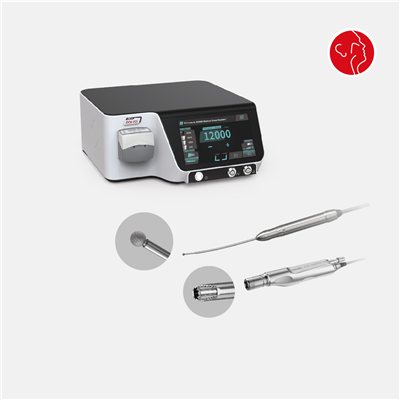
If you’re part of a medical team that works with endoscopic cannulas, and you want to make sure you’re meeting all the requirements, or if you’re looking for a supplier that prioritizes your team’s success, reach out to discuss your procurement needs. We’re here to answer questions, provide training resources, and supply the high-quality tools you need for every procedure.
Full HD Endoscopic System References:
- American Society for Gastrointestinal Endoscopy (ASGE). "Standards for Training in Gastrointestinal Endoscopy." Gastrointestinal Endoscopy, vol. 91, no. 5, 2020, pp. 1064-1074.
- U.S. Food and Drug Administration (FDA). "Reprocessing of Reusable Endoscopic Instruments: Guidance for Industry and FDA Staff." 2019.
- European Society of Gastrointestinal Endoscopy (ESGE). "Clinical Practice Guidelines for Endoscopic Cannula Use." Endoscopy, vol. 52, no. 12, 2020, pp. 1045-1058.
- World Health Organization (WHO). "Infection Prevention and Control in Health Care: Guidelines for Reprocessing of Medical Devices." 2016.
- Agency for Healthcare Research and Quality (AHRQ). "Reducing Perioperative Complications in Endoscopic Procedures." 2021.
Jiangsu Bonss Medical Technology Co., Ltd.
As one of the most professional endoscopic cannulas manufacturers and suppliers in China, we’re featured by quality products and good price. Please rest assured to buy bulk endoscopic cannulas for sale here from our factory. Customized orders are welcome.
Address: Building #7,No.898,China Medical City Avenue, Haling District, Taizhou City.Jiangsu P.R. China
E-mail: inquiry@plasma-surgical.com
WebSite: https://www.bonssmedical.com/
