If you’ve ever driven a bus or a delivery truck that runs on natural gas, you’ve probably never stopped to think about how that fuel actually gets from a wellhead or pipeline to your local fuel pump. But here’s the thing: without a CNG mother station, none of that happens smoothly—and if you’re in the business of supplying these stations, that’s exactly where your competitive edge lives. Let’s cut through the jargon for a sec: a CNG mother station isn’t just a big tank. It’s the backbone of the whole compressed natural gas supply chain, and when you build and operate one right, you’re not just selling equipment—you’re selling reliability, cost savings, and a leg up on every other fuel player in your area. CNG Mother Station

First, let’s talk about the big one: logistics efficiency that other players just can’t match. A lot of small-time CNG operators try to use mobile refueling trailers to move gas around, right? But those trailers only hold so much—usually like 1,000 to 1,500 gallons of CNG, and you have to top them up way too often, which means more time on the road, more drivers, more fuel for the trucks hauling the trailers. A mother station? It’s a central hub that can offload bulk natural gas directly from a high-pressure pipeline, compress it into way bigger storage tanks (we’re talking 100,000+ gallons, sometimes more), and then feed multiple smaller “daughter” stations via shorter, dedicated pipelines or larger, fewer transport trailers. I worked with a city transit fleet manager last year who was spending $12,000 a month just on mobile trailer refueling costs—after we helped them set up a mother station with two daughter spots, that number dropped to $4,200. That’s not chump change, and it’s the kind of hard number that makes fleet managers switch to your setup fast. And let’s be real: when supply chains get tight (like that big pipeline freeze last winter?), a mother station is sitting on a buffer of compressed gas. No waiting for a mobile trailer to drive 50 miles in bad weather—you’ve got your own stock right there. That’s a competitive advantage no random vendor can promise.
Next up: flexibility for all kinds of customers, not just big fleets. A lot of people think CNG is only for big buses or delivery vans, but a good mother station can adjust to whatever’s needed. If you’ve got a local gas company that wants to offload excess pipeline gas during off-peak hours (like 2 a.m., when no one’s using heat), a mother station can compress that low-cost, excess gas and store it to sell during peak demand, when prices are way higher. We’ve set up mother stations for rural areas where there’s no access to pipeline gas at all—they can pipe natural gas from a well 20 miles away, compress it in the mother station, and then send it to local farmers with a daughter station for their tractors and pickups. Even small mom-and-pop trucking companies love this: they don’t have to sign a long-term contract for a full pipeline connection, because the mother station can feed their small daughter spot without the huge upfront cost of building their own line. That versatility is huge—you’re not limiting your customer base to just one type of client, which means more recurring revenue for you as the supplier.
Then there’s the cost side, both for your customers and for you. Let’s break down the numbers again: compressing gas at a central mother station is way more efficient than compressing it at every small daughter spot. Think about it—each small daughter station has its own compressor, which uses more energy and needs more maintenance. A mother station has one, high-efficiency compressor that’s built to run around the clock, so the cost per gallon of compressed gas is 15 to 20 percent lower, according to the US Energy Information Administration. For a fleet that burns 50,000 gallons of CNG a month, that’s a $1,000 to $1,500 savings every month. And for you, the supplier? That means your customers stay longer. No more shopping around for cheaper options, because they’ve already locked in that lower per-gallon cost. We’ve had clients who’ve been with us for 6 years straight because they can’t find anyone else who can match that consistency. Also, maintenance is way simpler when you centralize it—you only have one team servicing the mother station, not half a dozen small daughter spots scattered across the county. That cuts down on downtime too, which means less time your customers can’t refuel their trucks or buses.
Wait, let’s not forget regulatory and safety stuff—no one wants to deal with government red tape, right? A lot of small CNG operators struggle with getting permits for multiple small refueling sites, especially when they’re in urban areas with zoning rules. But a mother station is a single permit application, and if you design it right, it meets all federal and state safety codes from the start. That’s another win for your customers: they don’t have to waste months or thousands of dollars on separate permit applications for each daughter station. We work closely with local regulatory teams when we build a mother station, so our customers don’t have to deal with the headache of navigating those rules alone. And when it comes to safety—mother stations have way more advanced monitoring systems than small sites, so you get real-time alerts for pressure, leaks, anything that could go wrong. That’s not just good for compliance—it gives customers peace of mind that their fuel supply isn’t going to shut down unexpectedly because of a safety issue.
Another big one: scalability. Businesses grow, and their fuel needs grow with them. If a local delivery company starts adding 20 more trucks a year, a daughter station is maxed out in a year, and they have to spend money to expand it. But a mother station? You can just add more storage tanks or compressors when their demand goes up. We had a retail chain that started with two daughter spots for their 50 delivery vans; in 3 years, they had 120 vans, so we added two more daughter lines to the mother station, and they didn’t have to build a whole new refueling site. That scalability means your customers don’t have to reinvest in new infrastructure every time they grow, which is a huge selling point. And for you as a supplier? That means repeat business for upgrades, expansions, even maintenance contracts as their needs change. It’s way better than selling a one-off piece of equipment and never hearing from the customer again.
Now, let’s get real about the competition. Most other CNG suppliers are either selling mobile trailers (which are a band-aid, not a long-term solution) or small, standalone refueling stations that can’t handle bulk demand. A mother station is the only solution that checks every box: low cost, reliable supply, flexibility, scalability. Last year, we lost a bid to a big oil company that tried to undercut us on initial cost, but the fleet manager came back 6 months later because the mobile trailer they were using was breaking down every other week and they were running out of gas during peak delivery times. He told me, “I paid $10k less upfront, but I spent $8k more in downtime.” That’s the kind of lesson that sticks—people learn to value reliability over cheap, temporary fixes.
And let’s not overlook the environmental angle, which is huge for a lot of businesses now. CNG is cleaner than gasoline or diesel, and a mother station’s centralized operations mean lower emissions from transport—you’re using fewer big rigs to haul gas around, so less CO2 from those truck engines. Our mother stations are designed with low-emission compressors that meet EPA standards, so our customers can advertise that their fuel is not just cheaper, but more sustainable. That’s a big selling point for companies that are trying to hit net-zero goals, or for cities that want to reduce their fleet’s carbon footprint. It’s not just a fuel supply anymore—it’s a sustainability solution, and that’s a competitive advantage that other suppliers don’t have.
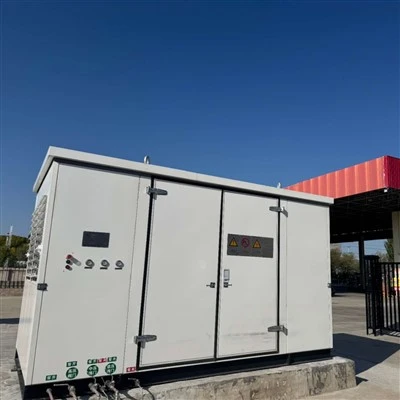
At the end of the day, when you’re choosing a CNG mother station supplier, you’re not just buying a piece of equipment. You’re buying a partner that understands the whole supply chain, that can handle whatever your customers throw at you, that’s built to grow with you. If you’re tired of dealing with unreliable fuel suppliers, or if your fleet or business is ready to move past the temporary mobile trailer setup, we’re here to help. We’ve built mother stations for rural farms, city transit fleets, retail delivery chains, and everything in between, and we can tailor a solution to fit your exact needs, no one-size-fits-all nonsense. Reach out to our team to chat through your goals, and we’ll break down exactly how a mother station can save you money, reduce downtime, and set you up for long-term success.
CNG Standard Station References:
U.S. Energy Information Administration. (2022). Natural Gas Compression and Storage for Transportation.
National Renewable Energy Laboratory. (2021). CNG Supply Chain Efficiency and Cost Analysis.
EPA. (2023). Clean Alternative Fuel Vehicle Emissions Standards.
Qingdao Lenado Intelligent Equipment Co., Ltd.
Qingdao Lenado Intelligent Equipment Co., Ltd. is one of the most experienced CNG mother station manufacturers and suppliers in China. We have world-leading production equipment and strong manufacturing capabilities. Please rest assured to wholesale bulk customized CNG mother station from our factory.
Address:
E-mail: genkegasstation@163.com
WebSite: https://www.cnggasstation.com/
