Hey everyone, if you’ve ever spent time around a CNC machine shop—whether you’re an operator, a setup tech, or even just a shop manager—you know how critical good lighting is. You can’t see tiny tool marks, a misaligned workpiece, or a frayed wire on a moving spindle if your light sucks. Lately, I’ve gotten so many DMs and calls asking the same question: “Can I use recessed machine lights on my CNC machines?” As someone who’s been supplying recessed machine lights for nearly a decade, I get why this is confusing. Recessed lights get used in ceilings, right? So why would you put one on a machine that’s vibrating, splashing coolant, and running 24/7? Let’s break this down, no fancy jargon, just real shop talk. Recessed Machine Lights
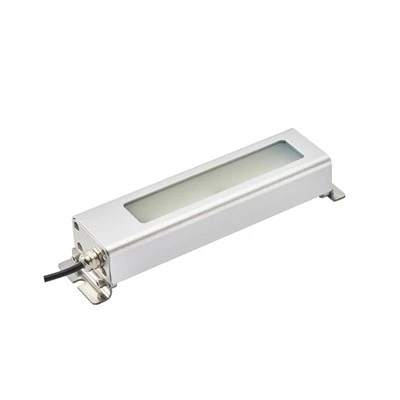
First, let’s get clear on what we’re talking about here. When I say recessed machine lights, I don’t mean the little cheap LED strip lights that stick to the back of a mill—those are temporary, and half the time they fall off mid-job. The recessed lights I supply are actually low-profile, sealed units that mount into a dedicated cutout on the machine’s enclosure or work envelope. Think of them like the recessed kitchen lights in your house, but built to survive industrial chaos: IP67-rated, shock-resistant, designed to handle coolant and oil splashes. Regular household recessed lights? Total no-go here—they’ll die in a week if you even bring them near a CNC spindle spraying coolant. That’s the first mistake people make: mixing up consumer recessed lights with purpose-built industrial recessed machine lights.
Now, let’s address the big, obvious question: “Why not just use a standard machine work light?” I hear this all the time. A lot of shops use the gooseneck lights that clamp to the side of the machine, right? They work… until they don’t. Goosenecks get knocked by a workpiece, coolant eats through the cord, the clamp breaks, and suddenly you’re using your phone’s flashlight to check a finish at 3 a.m. on a Saturday. Recessed lights don’t hang out where they can get bumped. They’re mounted flush into the machine’s body or the overhead gantry, so they’re out of the way of cutting tools, workpieces, and operators moving around the machine. That’s a huge win for safety and longevity.
But wait—can they actually hold up to CNC conditions? Let’s talk about the harsh stuff CNC machines deal with. Vibration is non-negotiable. A 5-axis mill running at 10,000 RPM is vibrating so much you can barely leave a coffee cup on the table. If a light isn’t designed to handle that, the LEDs will die, the solder joints will crack, and the whole unit will short out within months. All the recessed machine lights I supply are tested to withstand 10G of constant vibration—way more than even the roughest CNC machine puts out. Coolant and oil? Most industrial recessed lights are IP67, which means they’re totally dust-tight and can be submerged in up to a meter of water for 30 minutes. Coolant is basically just water with added lubricants and chemicals, so it’s no problem. I’ve had customers tell me their recessed lights have been running through flood coolant for two years straight with zero issues, while their old goosenecks needed replacing every 3 months.
Another big plus: light distribution. CNC work requires even, shadow-free lighting, especially for things like precision machining, inspection, or setting tool offsets. Recessed lights are mounted directly into the work zone, so you’re not fighting the shadow of a gooseneck or a high-mounted ceiling light that throws weird angles on the workpiece. A lot of our customers have switched from overhead shop lights to recessed machine lights, and they say they’ve cut down on setup time by 20% because they don’t have to adjust lights every time they move a workpiece. No more squinting to see a 0.001” tolerance mark because a shadow’s blocking it. That’s not just a convenience—it’s a productivity boost.
Wait, but let’s not sugarcoat this—there are cases where recessed machine lights might not be the best fit. If you have a CNC machine that gets frequently reconfigured, like a small router that moves between different work areas, a recessed light is permanent. You can’t yank it out and take it with you, so goosenecks or portable work lights make more sense there. Also, if you’re working with very large CNC machines, like a 20-foot gantry mill, a single recessed light might not cover the entire work zone evenly. In that case, you can install multiple recessed units spaced out strategically, or use a mix of recessed for the main work area and high-powered spotlights for tight corners. It’s all about matching the light to your machine’s size and workflow.
I’ve seen so many customers get frustrated because they tried to repurpose household recessed lights or cheap LED strips for CNC machines, and they ended up wasting money on replacements every few weeks. Let me tell you a quick story: a customer in Detroit hit me up last month saying his shop was going through 8 gooseneck lights a month, and he was sick of it. He tried a cheap recessed light he bought from a home improvement store—died after 2 weeks when coolant got in the casing. We sent him our industrial-grade recessed machine lights, and he’s now had them installed on 5 of his mills for 6 months. He just sent me a text last week saying he hasn’t had to replace a single one, and his setup team is actually asking for more to put on the new machines they just got. That’s the kind of real-world result I care about, not just sales numbers.
Another thing to consider: energy efficiency. Most recessed machine lights use high-output LEDs, which use a fraction of the power of old fluorescent or incandescent work lights. Fluorescent lights get hot, which isn’t great for a machine shop, especially in the summer when the CNC’s spindle is already generating heat. LEDs run cool, so they don’t add to the shop’s ambient temperature, and they last 50,000+ hours—way longer than any other type of machine work light. That means less time spent changing bulbs, less downtime for maintenance, and lower electricity bills over time. Win, win, win.
Now, let’s address the elephant in the room: installation. A lot of operators or shop managers think installing recessed machine lights is a big, complicated job. I’m not gonna lie—you do have to cut a clean hole in the machine’s enclosure or work gantry, run power wiring, and seal the unit properly to keep coolant out. But most new CNC machines are actually pre-wired for auxiliary lighting these days, so it’s just a matter of swapping out a temporary light for a recessed one. For older machines, we send step-by-step installation guides, and our team is always on call to help troubleshoot if someone runs into issues. I even had a customer last year who installed 12 recessed lights on his 10-foot gantry mill on his own over a weekend—said it was way easier than he thought.
Wait, but is there any downside? Let’s be honest. If you have a super tight budget, upfront cost for industrial recessed machine lights is higher than a $10 gooseneck light. But when you calculate the cost of replacement bulbs, downtime, and labor to change lights every few months, the recessed lights pay for themselves in about a year. I’ve done the math for hundreds of customers, and almost every time, going with recessed is the cheaper long-term choice. Also, if you have a machine that’s designed to have exposed parts, like a plasma cutter that sparks a lot, you need to make sure the recessed light is spark-resistant. All the ones we supply are rated for that too, so that’s not a problem.
Let’s wrap this up. The short answer to “Can recessed machine lights be used on CNC machines?” is a resounding yes—if you’re using purpose-built industrial-grade recessed machine lights, not the consumer ones from your local hardware store. They solve so many common CNC lighting issues: they’re out of the way of moving parts and workpieces, they handle vibration and coolant way better than standard work lights, they provide even, shadow-free lighting for precision work, and they save money over time on replacements and energy. The only time they don’t make sense is if you need a portable light, or you’re working with extremely large machines that would require too many units to be cost-effective.
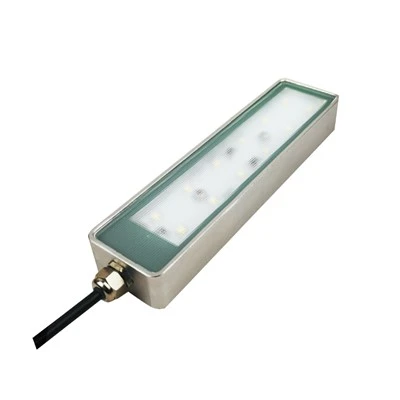
If you’re a CNC operator, setup tech, or shop owner dealing with bad lighting that’s slowing you down or breaking your lights left and right, I’d be happy to walk you through what recessed machine lights would work best for your setup. No sales pitch pressure, just real advice from someone who’s been in this game for years and has helped hundreds of shops fix their lighting issues. Whether you’re looking to replace dying goosenecks on a few mills or outfit an entire new shop, we can find the right solution for you. Reach out whenever you’re ready to chat.
Signal Tower Light References
- Industrial Machine Lighting Best Practices, Machinery Lubrication Magazine, 2022
- LED Lighting for Industrial Applications, National Institute for Occupational Safety and Health (NIOSH), 2021
- Vibration Resistance of Industrial Lighting Components, International Journal of Advanced Manufacturing Technology, 2020
- IP Rating Standards for Industrial Equipment, IEC 60529:2019
Suzhou Pouge Lighting Electrical Appliance Co., Ltd.
Address: Building 6-501, No.1330, Jinfeng South Road, Mudu Town, Wuzhong District, Suzhou City, China
E-mail: xduanlyy@126.com
WebSite: https://www.pouge-light.com/
