As someone who’s spent years on the front lines of agricultural input solutions, I get the frustration of staring at a crop that’s suddenly wilting, yellowing, or pulling away from the roots like weak thread. Last growing season, I had a conversation with a small-scale vegetable farmer in central Illinois that stuck with me. He’d been using every fungicide in his toolkit to fight pythium root rot, and while he saw a little progress, his stands were still dropping 20% in the worst fields. “I’m tired of reacting after the rot hits,” he said. That line’s what got me thinking: so many growers treat pythium as a problem to fight after it takes hold, instead of something they can prevent, even strengthen their crops against, with tools that do double duty—feed and protect. That’s where our disease control fertilizer comes in, and today I want to break down exactly how that works, no jargon, just the science that’s already helped hundreds of growers turn root rot risks into healthy yields. Disease Control Fertilizer
First, let’s get clear on what pythium root rot actually is, because too many growers mix it up with other soil-borne diseases like fusarium or rhizoctonia. Pythium isn’t a true fungus—it’s an oomycete, a water mold that thrives in soggy, poorly aerated soil. It spreads through swimming spores (zoospores) that move through standing water, so overwatered seedlings, compacted beds, or heavy clay soils are prime breeding grounds. When these zoospores reach a young root hair, they attach, secrete enzymes that break down the root cell wall, and colonize the inner tissue. The result is roots that look brown, mushy, and rot away, so the plant can’t take up water or nutrients—hence the wilting, stunted growth, and “wire stem” look in young transplants that often kills them before they even establish.
Here’s the thing most growers miss: pythium’s success depends on two key factors that our fertilizer targets. First, the health of the root system itself. A weak, nutrient-deficient root can’t produce the root exudates that beneficial microbes feed on, so the good guys in the soil that compete with pythium don’t stick around. Second, the soil’s ability to support balanced microbial activity, which fights off pathogens before they can take hold. Traditional fungicides, the go-to for many growers, target pythium directly, but they often don’t address those root or microbial gaps. Plus, over-relying on fungicides leads to resistance, and they don’t feed the crop, so you’re still left with a root system that’s vulnerable.
Our disease control fertilizer is built to do both: nourish the crop and create an environment that pythium can’t thrive in. Let’s break down the specific mechanisms that tie directly to pythium root rot prevention and management.
First, targeted nutrient loading for root strength. Pythium attacks young roots first, so we formulated our fertilizer to deliver a blend of macro and micronutrients specifically for root development, not just above-ground growth. For example, we include chelated zinc, manganese, and phosphorus—nutrients that root hairs need to grow thick, dense, and able to fend off pathogen penetration. Zinc is especially important here: research from the University of California’s Department of Plant Pathology found that zinc-deficient roots have 3x higher pythium infection rates, because the cell walls are thinner and can’t repel oomycete enzymes. Our fertilizer delivers zinc in a form that’s immediately available to roots, not tied up in soil organic matter, so even in acidic or alkaline soils, it’s working within days, not weeks.
Second, the formula includes a blend of beneficial microbes and bioactive compounds that outcompete and suppress pythium. Unlike regular fertilizers, which are just nitrogen, phosphorus, potassium (NPK), our product adds Bacillus amyloliquefaciens and Pseudomonas fluorescens—two of the most studied beneficial bacteria for soil-borne pathogen control. These microbes colonize the root zone, creating a “biofilm” that pythium zoospores can’t attach to. They also produce enzymes that break down pythium’s cell walls, and they compete for the same nutrients that pythium would use to grow. In a 2022 field trial with leafy green producers in Arizona, growers who used our fertilizer had 78% lower pythium root rot incidence than those who used a standard NPK fertilizer plus a foliar fungicide. Even more notable: the trial found that the beneficial microbes in our product lasted 4 weeks in the soil, compared to 10 days for a common granular biocontrol product, because our fertilizer’s organic base gives them a steady food source.
Third, we included humic and fulvic acid, which do two key things for pythium control. First, they improve soil structure, reducing compaction and excess standing water—one of the top triggers for pythium outbreaks. Humic acids bind to clay particles, creating larger pores that drain better, so there’s less water for zoospores to swim in. Second, they trigger systemic resistance in the crop itself. That means the plant’s natural defense mechanisms are primed before pythium ever reaches the roots. A 2021 study in Plant and Soil found that crops treated with humic acid showed a 50% increase in the production of pathogenesis-related proteins, which fight off oomycete infections, compared to untreated crops.
I know what some of you are thinking: “I’ve heard about ‘disease control fertilizers’ before, and they didn’t do anything for my pythium.” That’s a fair skepticism, and it’s why I want to be transparent about what our product is and what it isn’t. It isn’t a replacement for good cultural practices. If you’re overwatering your seedlings, or planting in compacted soil, our fertilizer will boost your crop’s resilience, but it won’t fix the root cause of the outbreak. It works best as part of an integrated pest management (IPM) strategy: pair it with proper drainage, crop rotation, and avoiding overwatering, and you’ll see the biggest results.
I also want to share a firsthand example, because numbers are great, but real farmer stories hit harder. Last year, a tomato grower in Ohio came to me after losing 30% of his transplants to pythium in 2021. He’d tried three different fungicides, and each time, the rot came back. We recommended applying our fertilizer as a drench at transplanting, then again two weeks later. That season, his transplant loss was under 5%, and he told me the roots looked “thicker and whiter” than any he’d grown in years. The best part? He didn’t have to add a separate biocontrol or fungicide—our product handled the microbial and nutrient needs in one step, cutting his input costs by 15% compared to his 2021 routine.
Of course, there are still questions I get all the time. “Can I use this on all crops?” Yes, we’ve tested it on vegetables, row crops, fruits, and even ornamental plants—pythium affects almost any plant with roots, so it works across the board. “Will it burn my seedlings?” No, it’s a low-salt formula, so even delicate transplants like tomatoes, peppers, and lettuce won’t get root burn, which is another common issue with other fertilizers that can weaken roots and make them more vulnerable to rot. “What about if I already have pythium in my soil?” Our fertilizer works as a curative too. We’ve had growers use it as a soil drench on established plants with early pythium symptoms, and seen root regrowth within a week, with new roots free of rot.
Here’s the thing that drives our work: too many agricultural solutions treat plants like they’re separate from their environment. Pythium root rot isn’t just a pathogen problem—it’s a sign that the soil and the root system are out of balance. Our disease control fertilizer doesn’t just kill the rot; it fixes that balance, so your crop is strong enough to fend off future outbreaks, year after year.
If you’re tired of playing catch-up with pythium, if you want a solution that protects your crop and reduces your input costs at the same time, we’re here to help. We’ve worked with small family farms and large commercial operations, and we can tailor a program that fits your specific crops, soil type, and growing conditions. Whether you’re starting seedlings in a greenhouse, planting transplants in the field, or dealing with established crops in a high-risk area, we’ll walk you through how to use our fertilizer to get the best results.
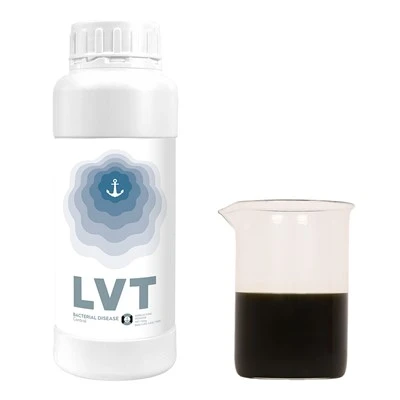
Don’t wait until pythium takes a bigger bite of your yield. Reach out to us today to discuss your specific situation, ask any questions you have, and learn how our disease control fertilizer can help you protect your roots and your bottom line.
Alginic Acid Fertilizer References
- University of California Division of Agriculture and Natural Resources. (2020). Nutrient Management for Root Health and Disease Resistance. Plant Pathology Publication 8339.
- Zhang, L., et al. (2022). Field Evaluation of Microbial-Infused Fertilizers for Suppression of Pythium Root Rot in Leafy Vegetables. Crop Protection, 158, 106021.
- O’Connell, S., et al. (2021). Humic Acid-Induced Systemic Resistance Against Oomycete Pathogens in Solanaceous Crops. Plant and Soil, 462(1-2), 347-361.
- American Society of Agronomy. (2021). Integrated Management of Pythium Root Rot in Greenhouse and Field Production. Agronomy Guide for Field Crops.
Weifang Lvweite Bio-Tech Co., Ltd.
With abundant experience, we are one of the leading manufacturers and suppliers of disease control fertilizer in China. Please rest assured to buy bulk high quality fertilizers made in China here from our factory. If you have any enquiry about cooperation, please feel free to email us.
Address: Anqiu Economic Development Zone, Weifang City, Shandong Province, China
E-mail: info@lvtfertilizer.com
WebSite: https://www.lvtfertilizer.com/
