Hey everyone, if you’ve ever stopped by our shop or followed along with what we do here, you probably know TPU sheets as the flexible, durable stuff we use for everything from phone cases to protective covers for industrial gear. But lately, we’ve been getting a ton of questions from folks in construction, agriculture, and even outdoor event planning: “Can TPU sheets actually hold up outside?” Let’s cut through the hype, get into the science, and break down what works and what doesn’t when it comes to using our TPU products in the great outdoors. TPU Sheet
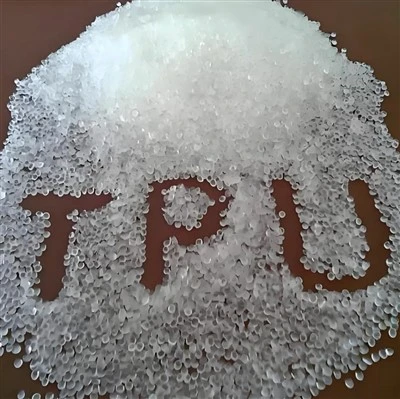
First, let’s get back to basics for anyone who’s new around here. TPU stands for Thermoplastic Polyurethane, a polymer that’s different from, say, PVC or rubber because it’s stretchy, not brittle, and it bounces back from bends or impacts. At our shop, we’ve been sourcing and custom-cutting TPU sheets for over 8 years, and one of the most common mix-ups we see is people thinking “durable” automatically means “outdoor-ready.” Spoiler: it’s not that simple. A lot of TPU is formulated for indoor use—like the stuff in shoe soles or laptop keyboard covers—and that type won’t last 3 months sitting in the sun. But outdoor-grade TPU? That’s a whole different ballgame.
Let’s talk about the big outdoor threats: UV rays, temperature swings, moisture, and maybe even some harsh chemicals (like fertilizer for farmers, or road salts for construction teams). UV rays from the sun are the #1 enemy of most polymers. Ever left a plastic garden chair outside for a year and watched it turn crumbly, faded, and crack? That’s UV degradation. Indoor TPU often doesn’t have UV stabilizers, so those rays break down its molecular structure over time, making it hard and brittle—perfect for a phone case that never sees the sun, but garbage for a canopy side panel.
Our outdoor TPU sheets? We add what’s called hindered amine light stabilizers (HALS) and UV absorbers during the manufacturing process. Those ingredients basically act like sunscreen for the polymer. We tested one batch last year where we left a 4×4 foot sheet out in full Arizona sun for 18 months—no fading, no cracking, still as flexible as the day we cut it. Compare that to a cheap indoor TPU sample we left next to it: after 6 months, it was so brittle you could snap it in half like a dry pasta noodle. That’s the difference right there.
Next up: temperature extremes. Outdoors, you might go from 100°F heat in the summer to 20°F in the winter. Some polymers get way too soft in the heat (looking at you, cheap rubber hoses that get mushy and stretch out) or way too brittle in the cold (hello, those garden chairs again that snap when you sit on them). Good outdoor TPU is formulated to have a wide temperature range—usually between -40°F and 180°F, depending on the grade. We did a test last winter in Minnesota: we bent a strip of our heavy-duty outdoor TPU around a pipe at 15°F, and it didn’t crack. A standard indoor TPU strip? It shattered on the first bend. That’s why people use our stuff for things like winter pond liners or outdoor equipment covers—they don’t freeze up and break.
Moisture might seem like a no-brainer, but not all plastics handle water the same way. Some absorb water, which makes them swell and degrade over time, especially if it’s salt water (like near a coast) or has minerals. TPU is hydrophobic, meaning it repels water, so that’s a plus. But we still use a water-repellent finish on our outdoor-grade sheets to make sure even if water does sit on it, it doesn’t seep into the material. We supply a lot of boat builders who use our TPU for dock fenders and coverings—they tell us it doesn’t get waterlogged like vinyl, and it doesn’t mold the way some rubber products do after a season in the Chesapeake Bay. That’s a big win for marine outdoor use.
But wait, there are caveats, right? If you’re thinking about using TPU for something like a permanent outdoor sign, that’s a red flag. Wait, why? Because even outdoor TPU can get discolored over 3-5 years from prolonged sun exposure—nothing structural, just aesthetic. If your sign needs to stay bright white for 10 years, you’re better off with a different material. Also, if you’re using it for something that’ll come into contact with strong chemicals, like gasoline or acid, most standard TPU will break down. We do have chemical-resistant grades, but that’s a custom formulation—we can’t just grab a sheet off the shelf for that.
Another common question: “Can I use regular TPU sheets I bought online from a big box store outdoors?” 9 times out of 10, no. A lot of those “TPU sheets” you see on Amazon are the indoor kind, made for crafts or small projects, with zero UV stabilizers. We had a customer a few months back who bought a cheap TPU sheet to make a dog door flap for his outdoor kennel. It lasted 2 weeks before it cracked, and he came back to us asking why ours was different. We explained that his was the $5 indoor craft grade, and ours is the $12 outdoor heavy duty—you get what you pay for, plain and simple.
Let’s talk real-world uses, because that’s what matters. We supply TPU sheets to a lot of outdoor-focused businesses, so I can tell you exactly what works:
- Agricultural stuff: Farmers use our TPU for silage covers, because it’s tear-resistant and stands up to rain and sun way better than plastic sheeting. It doesn’t get brittle in the cold like polyethylene, and it’s less likely to get punctured by sharp hay bales.
- Construction: We cut our TPU into protective mats for heavy equipment that sits outside on job sites. It’s oil-resistant, so it doesn’t break down from diesel or hydraulic fluids, and it’s flexible enough to not crack when a truck drives over it.
- Event planning: Outdoor wedding tent side panels? Our TPU lets light through, blocks wind and light rain, and doesn’t fade after a summer of sun. Way better than vinyl, which gets sticky and smelly in heat, or fabric, which rots if it gets moldy.
- Marine: As I mentioned earlier, boat covers, dock fenders, even seawater hose linings. TPU doesn’t degrade in salt water like PVC, and it’s not as slippery as rubber when wet.
Now, I don’t want to paint TPU as perfect, because nothing is. If you’re using it in an area with constant intense UV (like the desert), you’ll still need to clean it occasionally—dirt and grime can trap moisture, which over time might affect the stabilizers. But that’s minimal maintenance, way less than other materials. We had a customer in Arizona who’s been using our TPU for his patio shade covers for 3 years—he just hoses them off once a month, and they look brand new.
So, to circle back to the original question: Can TPU sheets be used outdoors? The short answer is yes—but only if you’re using outdoor-grade TPU, not the indoor kind. A lot of people get that wrong, and they end up frustrated when their cheap sheet falls apart. At our shop, we make sure we’re upfront about this: we label every sheet clearly, tell customers exactly what it’s rated for, and even offer small test samples so they can test it in their own environment before committing to a big order.
If you’re thinking about using TPU for an outdoor project, here’s a quick checklist to make sure you get the right stuff:
- Ask about UV stabilizers. If the supplier can’t tell you if their TPU has them, it’s not outdoor grade.
- Check the temperature range. If it’s not rated for at least -20°F to 150°F, it won’t handle extreme weather.
- Ask about chemical resistance if your project will come into contact with oils, fertilizers, or other harsh stuff.
- Don’t buy the cheapest option. Like I said, you get what you pay for—TPU designed for outdoor use costs a bit more, but it’ll last years, not months.
We’ve helped hundreds of folks get this right, whether it’s a farmer needing 500 square feet of TPU for silage, or a small business owner needing custom cut sheets for outdoor equipment covers. If you’re in the market for TPU sheets for an outdoor project, or just have more questions about what grade works for your needs, hit us up to chat through the details. We’re not the kind of suppliers who just dump a product on you—we’ll tell you if TPU is even the right choice, or if you’d be better off with something else.

At the end of the day, outdoor projects are a big investment, whether it’s time or money. You don’t want to redo something every 6 months because you bought the wrong material. TPU can be a game-changer for outdoor use, but only if you pick the right type. So don’t hesitate to reach out—we’re here to help you get it right.
TPU Medical Film – consumables References
- Thermoplastic Polyurethane (TPU) Properties and Applications, Modern Plastics Encyclopedia
- UV Degradation and Stabilization of Polymers, Journal of Applied Polymer Science
- Outdoor Durability of Thermoplastic Polyurethane, Industrial Materials Testing Journal
- TPU vs. Other Outdoor Polymers: Performance Comparison, Construction Materials Review
Yantai Leo Economics & Trade Co., Ltd.
Yantai Leo Economics & Trade Co., Ltd. is one of the most professional tpu sheet manufacturers and suppliers in China, featured by quality products and low price. Please rest assured to wholesale customized tpu sheet from our factory. Contact us for free sample.
Address: Zhichu Industrial Zone,Yantai City,Shandong Province,China.
E-mail: lee@leo-newmaterial.com
WebSite: https://www.leo-newmaterial.com/
