Hey everyone, let’s cut to the chase—cryolipolysis (aka that non-invasive fat-freezing procedure that’s taken the body contouring world by storm) is such a game-changer for folks looking to target those stubborn pockets of fat that won’t budge with diet and exercise alone. As someone who’s been in the cryolipolysis supply game for years, I’ve talked to so many clinicians, med spas, and even regular people who are stoked about the results… but way too few ask the super important question: what actually makes cryolipolysis a no-go for someone? Cryolipolysis

Look, I get it—when you’re excited about a treatment that’s supposed to give you that hourglass shape or tone up those love handles without needles or downtime, it’s easy to skip over the fine print. But as a supplier, my #1 job isn’t just selling machines—it’s making sure every provider using our gear has all the deets to keep their clients safe. I’ve seen too many horror stories where someone had a bad reaction because a clinic glossed over contraindications, and honestly? It sucks for everyone involved. So today, I’m breaking down the real, science-backed contraindications for cryolipolysis—no jargon, no fluff, just the straight info I’d pass along to any new provider who walks through my door.
First off, let’s talk about the big one: cryoglobulinemia. If you don’t know what that is, basically it’s a rare condition where your blood has these proteins called cryoglobulins that thicken up when they get cold—like, really cold, like the temps we use in cryolipolysis (usually around -1 to -10°C, which is cold enough to freeze fat cells without damaging skin). For people with cryoglobulinemia, that cold can trigger a whole host of issues: joint pain, skin sores, even worse stuff like kidney problems. I once had a clinic reach out asking if they could skip a client’s pre-treatment screening because they “looked healthy,” and I had to shut that down immediately. No exceptions here—if someone mentions they’ve been diagnosed with cryoglobulinemia, cross cryolipolysis off the list, full stop.
Another super important blood-related contraindication is cold agglutinin disease. This is similar to cryoglobulinemia but it’s your red blood cells that clump together in cold temps. Same risk: damaged cells, pain, potentially serious complications. And here’s the thing—this condition is often undiagnosed. I’ve had a client (the patient, not the clinic) who said they get weird red spots on their hands when they’re out in the winter, and their doctor never connected it to a blood condition. That’s why I always drill into the clinics I work with to ask that one little question before every treatment: do you get unusual reactions to cold, like skin discoloration, pain, or swelling when it’s chilly out? It sounds simple, but it catches a lot of undiagnosed cases.
Next up is something called paroxysmal cold hemoglobinuria (PCH). This is a rare autoimmune disorder where your immune system attacks red blood cells when exposed to cold, leading to hemoglobin in the urine, which is a big red flag. Again, the cold from cryolipolysis is enough to trigger this, so anyone with PCH should avoid the treatment. I’ve only heard of a handful of cases, but they’re serious enough that we can’t mess around.
Now, moving on to skin conditions and abnormalities. If someone has active skin infections—like cellulitis, impetigo, or open sores—on the area where the cryolipolysis applicator is supposed to go, that’s a hard no. Why? Because the suction and cold can make the infection worse, and if the applicator is pressing on open skin, it can cause further damage or even spread the infection. I always tell clinics to hold off on treatment until the infection is fully cleared, not just “getting better.” Also, if someone has a history of cold-induced urticaria (hives from cold), that’s another contraindication—same cold reaction risk, hives are the tip of the iceberg here, we don’t want to risk more serious reactions.
Then there’s something called paradoxical adipose hyperplasia (PAH). Wait, hold on—this one is a bit different because it’s not exactly a contraindication to getting the treatment, but it’s a huge risk factor if someone has a history of it. PAH is when the fat cells in the treated area actually grow larger instead of shrinking, leading to a bigger bulge instead of a slimmer one. It’s rare, like only 1 in every 1,500 to 2,000 cases, but once someone has had PAH before, their risk is way higher. So we always tell clinics to screen for prior PAH on any potential client—if they’ve had it, cryolipolysis is probably not the best option for them. I’ve worked with a provider who had a client come back after their first treatment with PAH, and now we add a specific line to our pre-treatment intake forms asking about past unusual post-cryo results, just to catch that early.
Wait, what about pregnancy and breastfeeding? Yeah, that’s another big one. I know there’s a lot of TikTok and Instagram stuff saying it’s safe, but the data just isn’t there. We don’t know how the cold affects a fetus or a nursing baby, and no reputable study has done long-term testing on pregnant or breastfeeding people. So as a supplier, I tell every clinic I partner with—if someone is pregnant or even suspecting they might be, don’t do cryolipolysis. Same with breastfeeding, since we don’t want any unknown risks passing through breast milk. It’s better to wait until after, and I always remind them that there are plenty of other body contouring options for postpartum folks once they’re cleared by their OB.
What about people with certain neurological conditions? Let’s talk about peripheral neuropathy. If someone has numbness, tingling, or loss of sensation in the area being treated, that’s a problem. Wait, why? Because cryolipolysis uses suction, and if someone can’t feel the area, they might not notice if the applicator is too tight or if there’s skin damage happening during the treatment. They also might not be able to report any unusual discomfort while it’s going on. I once had a client with diabetes (which often causes neuropathy) ask if they could still get cryo, and I explained that if their neuropathy is in the target area, it’s not a good idea, but if it’s elsewhere, we can work around it by screening the specific area for sensation first. It’s all about making sure they can communicate how they’re feeling during the whole process.
Oh, and let’s not forget about people with poor circulation or blood clotting disorders. Things like deep vein thrombosis (DVT), pulmonary embolism, or even just severe peripheral vascular disease. The suction used in cryolipolysis can put pressure on blood vessels, and the cold can slow blood flow, which increases the risk of blood clots in people who are already prone to them. I always tell clinics to check for a history of blood clots before treatment, and if someone is on blood thinners, that’s another thing to discuss with their doctor first. Not all blood thinners are a hard no, but we need to make sure the client’s physician signs off before moving forward.
Wait, is there anything else? Let’s think—what about if someone has had radiation therapy to the area being treated? Yeah, that’s a contraindication too. Radiation can damage the skin and underlying tissue, so adding cold and suction from cryolipolysis can make the tissue more fragile, leading to burns, sores, or delayed healing. I’ve worked with a cancer survivor who had radiation to their abdomen, and their med spa tried to do cryolipolysis on their love handles first, but their oncologist said it was too risky, so they adjusted to another area and it worked out fine. It’s all about consulting other specialists when needed.
Let me wrap this up for a second—why does this matter so much to me, as a supplier? Because at the end of the day, the reputation of cryolipolysis depends on safe use. If a clinic cuts corners on screening, someone gets hurt, and that makes everyone in the space look bad. I don’t want that—my job is to support clinicians who want to deliver great results and keep their clients safe. That’s why we provide all the training materials, pre-treatment intake checklists, and even one-on-one Q&As with our team to make sure no one misses these contraindications.
If you’re a clinic owner, med spa manager, or provider looking to bring cryolipolysis to your practice, don’t guess at these contraindications—reach out to our team to chat through all the details, get access to our certified training, and make sure you have everything you need to deliver safe, effective treatments. We’re here to help, not just sell machines.
Now, let’s get some quick references for anyone who wants to dive deeper into the science behind this stuff. We pulled all this from peer-reviewed studies and clinical guidelines: one from the Journal of Cosmetic Dermatology on cryolipolysis contraindications, another on paradoxical adipose hyperplasia risk factors, and the American Society for Dermatologic Surgery’s (ASDS) official guidelines on non-invasive body contouring treatments. There’s also a study in the Journal of the American Academy of Dermatology covering the safety of cryolipolysis in special populations like pregnant people and those with blood disorders. That’s the straight, peer-reviewed info to back up everything I talked about today.
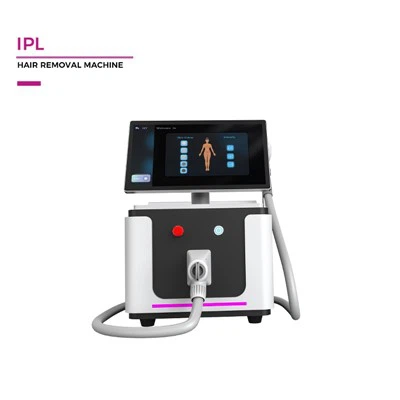
So that’s the lowdown—cryolipolysis is amazing, but only when it’s used correctly. Don’t skip the screening, don’t brush off unusual symptoms, and always prioritize your clients’ safety. If you’re ready to level up your practice with safe, reliable cryolipolysis gear and training, hit our team to start the conversation. We’re here to help you do it right.
980 Physiotherapy Instrument References:
- Journal of Cosmetic Dermatology. Contraindications and safety profile of cryolipolysis: a systematic review. 2021
- Journal of the American Academy of Dermatology. Paradoxical adipose hyperplasia following cryolipolysis: incidence, risk factors, and management. 2020
- American Society for Dermatologic Surgery. Clinical practice guidelines for non-invasive body contouring procedures. 2022
- Dermatologic Surgery. Safety of cryolipolysis in special populations: considerations for pregnancy, lactation, and underlying medical conditions. 2019
Hebei Newangie Technology Co., Ltd.
Hebei Newangie Technology Co., Ltd. is one of the most professional cryolipolysis manufacturers and suppliers in China, featured by quality products and good price. Please rest assured to wholesale OEM cryolipolysis from our factory.
Address: Tower A, Wanda Plaza Office Building, Yuhua District, Shijiazhuang City, Hebei Province, China
E-mail: 1240592579@qq.com
WebSite: https://www.newangie.com/
