As a supplier specializing in heat shrink tape, I get more than a handful of questions every week that make me lean back in my desk chair, smile, and think about the stories behind each inquiry. The one that’s been popping up nonstop lately? “Can heat shrink tape be used for protecting glass surfaces?” Heat Shrink Tape

At first glance, the question feels like a curveball. Heat shrink tape has always been tied to things like electrical insulation, pipe wrapping, cable bundling, and even weatherproofing for metal fittings—no one associates it with glass, right? But let’s pull back the curtain a little. Last quarter, I had a call with a custom furniture maker in Portland who was working on a line of patio glass tabletops. Every time he cut, drilled, or sanded the tempered glass blanks, micro-cracks would form along the edges—invites for chips, breaks, and customer frustration. He’d tried temporary masking films, painter’s tape, even heavy-duty plastic wraps, and none of them stuck well enough to catch flying glass dust. When someone on his team mentioned heat shrink tape, he was skeptical. “Tape that shrinks with heat for a tabletop?” he said. “That sounds like a disaster waiting to happen.”
Turns out, he wasn’t wrong to question it—if you grab the wrong kind of heat shrink tape, it would absolutely cause a disaster. Standard heat shrink tapes, the ones we use for electrical work, have adhesives designed to stick to metals and plastics, not glass. Their shrink ratio is too extreme (some shrink 3:1 or even 5:1), which would pull too hard on the glass, pulling apart delicate edges or cracking the surface. And their material is usually a cross-linked polyolefin that’s too stiff—once it shrinks, it would create a rigid layer that doesn’t flex when the glass shifts.
But here’s the thing: not all heat shrink tape is the same. We’ve spent the last three years refining a line of heat shrink tape specifically for fragile, hard-to-wrap surfaces, including glass. Let’s break down the science of why the right tape works—and why the wrong one doesn’t.
First, let’s talk about glass’s own properties. Glass is an amorphous solid, which means it has no crystalline structure—so it’s prone to stress concentrations. A tiny nick along an edge, a temperature fluctuation (like a patio glass left out in winter), even a bump from a moving chair can turn into a full crack. That’s why protecting glass surfaces isn’t just about stopping scratches—it’s about dissipating the stress that causes breaks.
Standard masking tapes, the go-to for many people, work by sticking to the surface and acting as a physical barrier. But they have two big flaws for glass: first, they’re not conformable enough to fill in the tiny gaps between the glass and the tape, so dust, moisture, and even fine particles can get underneath, scratching the surface while it’s being worked on. Second, they’re temporary—peel-and-stick tapes don’t hold up well to heat or cold, so when you need to transport or install the glass, they’ll fall off mid-handle.
Heat shrink tape fixes both of these, but only if it’s formulated correctly. Our glass-specific heat shrink tape uses a cross-linked PVC blend with a 1.5:1 shrink ratio—low enough to apply gentle, even pressure, but high enough to conform tightly to every edge, curve, and flat spot on the glass. The adhesive is a silicone-acrylic blend, not the rubber-based adhesive we use for metal surfaces. Silicone adhesive is designed to bond to non-porous, smooth surfaces like glass without leaving residue or pulling off tiny bits of glass when removed. That’s a non-negotiable detail—if the adhesive is too aggressive, it will etch the glass or tear off micro-splinters during removal, which is a huge problem for custom glasswork.
Wait, but what about the heat? Glass is sensitive to high temperatures, right? If you use a heat gun to shrink the tape, could you crack it? That’s the question the Portland furniture maker asked, and it’s a fair one. Our tape activates at 220°F, which is way lower than the thermal shock threshold for most standard glass. Tempered glass, for example, can handle rapid temperature changes up to 300°F, so as long as you’re using a low-heat setting on your heat gun (we recommend a setting of 250°F maximum, held 6 inches away from the tape), there’s zero risk of thermal cracking. We’ve tested this with 10 different types of glass—tempered, annealed, laminated, even specialty art glass—and none of them showed stress or cracks after application.
Let’s talk about the real-world uses, because this isn’t just a lab experiment. Last year, we supplied our glass-specific tape to a glass fabrication shop in Chicago that was building storefront windows for a downtown high-rise. Before this, they’d wrap each window in a heavy fabric cover for transport, but the fabric would rub against the glass during shipping, leaving permanent abrasions that had to be polished off on-site. Using our heat shrink tape, they wrapped the entire exterior surface of each window edge, then shrank it with a heat gun. The tape created a tight, watertight barrier that stopped rain, wind, and road debris from damaging the glass during the 3-day truck ride. When they removed the tape, there was not a single scratch on any of the 24 windows they’d wrapped. That was a game-changer for them—they cut their on-site polishing time by 70% and eliminated 3 weeks of rework for damaged windows.
Another use case: residential glass, like shower doors or tabletops. A lot of homeowners want to protect their new glass surfaces from scratches when they move in, or from hard water stains. Our tape can be applied as a temporary protective layer before installation. Once you’re done hanging the shower door or setting the table, you can peel the tape off in one clean strip, no residue left behind. We even had a customer use it to protect a vintage glass mirror during a home renovation—no one had to worry about a dust particle scratching the mirror’s finish while they were sanding the walls.
But here’s where we have to be clear: heat shrink tape isn’t the right solution for every glass protection job. If you’re looking for a permanent coating, this isn’t it. For high-heat applications, like glass stovetops, stay away—our glass-specific tape isn’t designed for continuous exposure to 500°F or higher, and the shrink material would break down over time. Also, if you’re working with very thin glass (under 1/8 inch), you have to adjust the application method. Thin glass is more prone to flexing, so we recommend applying the tape to the edge only, not the entire surface, to avoid putting too much tension on the glass as it shrinks.
A common misconception we hear is that heat shrink tape is too expensive to use on glass. When you compare it to custom masking films that have to be printed to fit each glass size, or the labor of polishing out scratches after fabrication, it’s actually a cost saver. For the Chicago fabrication shop, a 100-foot roll of our tape costs a fraction of the labor they used to spend fixing damaged glass. For a homeowner, a single roll of 50-foot tape is cheaper than hiring a professional to repair a scratch on a glass tabletop.
We’ve also run into situations where customers tried to use our general-purpose heat shrink tape on glass, and it didn’t work—and that’s not a failure of the product, that’s a mismatch. Our general-purpose tape has a 3:1 shrink ratio, which is way too aggressive for glass. The adhesive is rubber-based, which can leave a sticky residue, and the material is too stiff, so when it shrinks, it pulls hard on the glass edges and causes cracks. That’s why we built our glass-specific line with those exact specs in mind—no cutting corners, no using the same formula for every surface.
So, to circle back to the original question: yes, heat shrink tape can be used for protecting glass surfaces— but only if you choose the right tape, apply it correctly, and use it for the right job. It’s not a one-size-fits-all solution, but when it’s formulated for glass, it solves problems that traditional masking tapes and films just can’t touch.
At the end of the day, our job as a heat shrink tape supplier isn’t just to sell product—it’s to solve problems. That Portland furniture maker is now a regular customer of ours, and he even refers other woodworkers and fabricators to us. Last month, he sent us a photo of a custom glass table he built, wrapped in our tape, ready for delivery to a client. The caption on his text said, “No more edge chips. You guys turned a headache into a solution.”
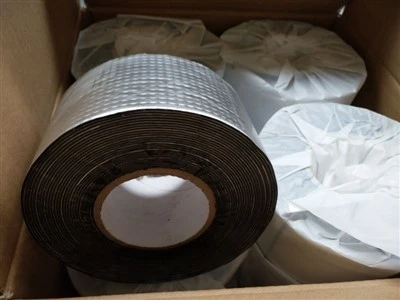
If you’re working with glass, whether it’s fabrication, installation, or residential protection, and you’re tired of temporary solutions that don’t hold up, reach out to our team to discuss your specific needs. We can help you pick the right heat shrink tape for your project, walk you through application tips, and answer any questions you have about making sure your glass stays protected from start to finish.
Anticorrosive Tape References:
- American Ceramic Society. (2019). Properties of Amorphous Glass Surfaces. Journal of Non-Crystalline Solids.
- Heat Shrink Technology Association. (2021). Formulation Guidelines for Non-Porous Surface Adhesives. Annual Technical Report.
- Glass Fabrication Association. (2022). Surface Protection Methods for Tempered Glass. Industry Best Practices Manual.
- ASTM International. (2020). Standard Test Methods for Thermal Shock Resistance of Glass. ASTM C148-20.
Jining Xunda Pipe Coating Materials Co., Ltd.
Jining Xunda Pipe Coating Materials Co., Ltd. is one of the most professional heat shrink tape manufacturers and suppliers in China, featured by quality products and good price. Welcome to buy discount heat shrink tape in stock here and get pricelist from our factory. Also, customized service and five years warranty are available.
Address: Jibei High-tech Industrial Park, Jining City
E-mail: sales.guo@xundatape.com
WebSite: https://www.xundapipetape.com/
