Hey there! I’m a supplier of detector modules. And today, I wanna chat with you about how to transfer data from a detector module. It’s a topic that’s super important, whether you’re using these modules for scientific research, industrial applications, or any other field. Detector Module
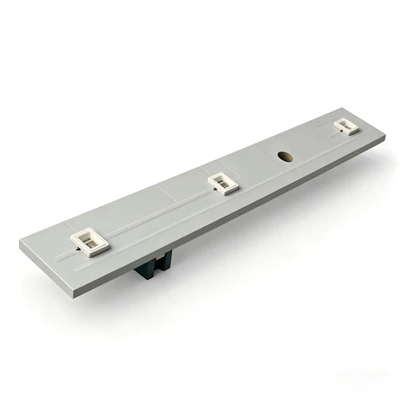
Let’s start with the basics. What exactly is a detector module? Well, it’s a device that can detect certain physical quantities, like radiation, light, or chemicals. Once it detects these things, it generates data that needs to be transferred to a processing unit or a storage device. This data transfer is crucial because it allows us to analyze and make use of the information collected by the detector.
There are several ways to transfer data from a detector module, and I’ll go through the most common ones here.
1. Wired Connections
One of the most straightforward ways is through wired connections. This includes things like USB (Universal Serial Bus), Ethernet, and RS – 232.
USB
USB is probably the most popular option for short – range data transfer. It’s easy to use and widely supported. You just plug the detector module into a computer or other device with a USB port, and the data starts flowing. Most modern detector modules come with a USB interface, which makes it convenient for users to connect and transfer data quickly. For example, if you have a small handheld detector module for environmental monitoring, you can simply connect it to your laptop via USB to download the data on air quality or radiation levels it has collected.
The advantage of USB is its high – speed data transfer capabilities, especially with the newer USB 3.0 and 3.1 standards. It can also provide power to the detector module in some cases, which means you don’t need an additional power source.
Ethernet
Ethernet is great for longer – range and high – speed data transfer, especially in industrial or networked environments. If you have multiple detector modules installed in a large facility, like a factory or a research lab, you can connect them to a local area network (LAN) using Ethernet cables. This allows the data to be transferred to a central server or data center for analysis.
The benefit of Ethernet is its reliability and the ability to support multiple devices on the same network. You can also use it to transfer data over long distances, as long as you have the right network infrastructure in place.
RS – 232
RS – 232 is an older but still widely used serial communication standard. It’s often used in applications where simplicity and reliability are key. Some detector modules are equipped with an RS – 232 port for data transfer. The data transfer rate of RS – 232 is relatively low compared to USB or Ethernet, but it’s sufficient for many applications, especially those that don’t require high – speed data transfer.
2. Wireless Connections
Wireless data transfer is becoming more and more popular, as it offers greater flexibility and convenience.
Wi – Fi
Wi – Fi is a common wireless technology used for data transfer from detector modules. It allows the detector to connect to a local Wi – Fi network, just like your smartphone or laptop. Once connected, the data can be sent to a server or a cloud – based storage system. This is very useful for applications where the detector module is installed in a hard – to – reach location or where you want to be able to access the data remotely.
For instance, if you have a detector module installed on a rooftop to monitor solar radiation, you can use Wi – Fi to transfer the data to your office computer or a cloud service. The advantage of Wi – Fi is its wide availability and the ability to transfer data at relatively high speeds.
Bluetooth
Bluetooth is another wireless option, especially suitable for short – range data transfer. It’s commonly used in consumer electronics and some portable detector modules. You can pair a detector module with a smartphone or a tablet via Bluetooth and transfer the data directly. This is handy for applications where you only need to transfer small amounts of data, like a personal health detector or a simple environmental sensor.
The benefit of Bluetooth is its low power consumption, which means the detector module can operate for a longer time on a single battery charge.
ZigBee
ZigBee is a wireless communication protocol designed for low – power, low – data – rate applications. It’s often used in sensor networks, including those with detector modules. ZigBee allows multiple detector modules to form a mesh network, where the data can be relayed from one module to another until it reaches a central coordinator or a gateway.
This is useful in large – scale applications where you have many detector modules spread out over a wide area, such as a smart city project with multiple environmental and traffic sensors.
3. Considerations for Data Transfer
When choosing a data transfer method for your detector module, there are several things to consider.
Data Rate
The data rate required by your application is a crucial factor. If you’re dealing with a detector module that generates a large amount of data, like a high – resolution imaging detector, you’ll need a transfer method that can handle high – speed data transfer, such as USB 3.0 or Ethernet. On the other hand, if the data rate is relatively low, like a simple temperature detector that only needs to send a few data points every few minutes, a slower transfer method like Bluetooth or RS – 232 might be sufficient.
Distance
The distance between the detector module and the data processing or storage device also matters. For short – range applications, such as a detector module connected to a nearby computer, USB or Bluetooth might be the best choices. For longer – range applications, Ethernet, Wi – Fi, or ZigBee could be more suitable.
Power Consumption
Power consumption is important, especially for battery – powered detector modules. Wireless technologies like Bluetooth and ZigBee are known for their low power consumption, which can extend the battery life of the detector module. Wired connections usually require a separate power source, but some, like USB, can also provide power to the device.
Security
Data security is a major concern, especially when transferring sensitive data. When using wireless connections, like Wi – Fi or Bluetooth, you need to ensure that the data is encrypted to prevent unauthorized access. For wired connections, you also need to be careful about protecting the network infrastructure from potential threats.
4. Our Detector Modules and Data Transfer
As a detector module supplier, we understand the importance of reliable data transfer. That’s why our detector modules are designed to support multiple data transfer methods. Whether you prefer wired or wireless connections, we’ve got you covered.
Our USB – enabled detector modules are easy to use and provides high – speed data transfer for quick and efficient data collection. For those who need long – range and high – throughput data transfer, our Ethernet – compatible modules are a great option. And if you’re looking for wireless solutions, our detector modules support Wi – Fi, Bluetooth, and ZigBee, giving you the flexibility to choose the best method for your application.
We also offer technical support to help you set up the data transfer process. Our team of experts can assist you in choosing the right data transfer method based on your specific requirements and can help you troubleshoot any issues that may arise.
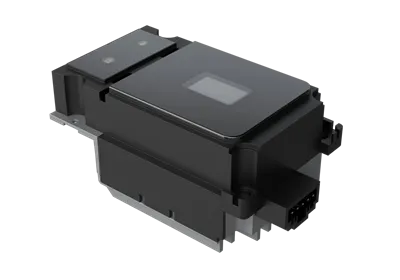
If you’re in the market for a detector module and want to learn more about how our products can meet your data transfer needs, don’t hesitate to reach out. We’re here to answer your questions and discuss how our detector modules can be a great fit for your project. Whether you’re a researcher, an engineer, or someone in the industrial sector, we can work with you to find the best solution for your data transfer requirements.
Static Water/ Water Flow Module So, if you’re interested in purchasing detector modules from us, feel free to start a conversation. We’re excited to work with you and help you get the most out of your detector module data transfer.
References
- "Data Communication and Networking" by Andrew S. Tanenbaum
- "Wireless Sensor Networks: Algorithms and Protocols" by Imrich Chlamtac, Steven Faragó, and Jean – Philippe Pouget
- Manufacturer’s manuals for various detector modules and data transfer devices
UVLEDTEK Group
As one of the most professional detector module manufacturers and suppliers in China, our products have good reputation in the market. Please rest assured to buy high quality detector module at competitive price from our factory. For more information, contact us now.
Address: Huangshi Industrial Zone, Putian City, Fujian Province, China
E-mail: info@uvledtek.com
WebSite: https://www.uvledtek.com/
